â
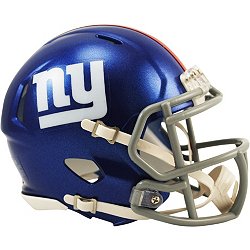
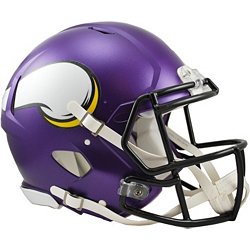
Protect yourself on the field with our premium selection of field helmets designed for safety and performance. Engineered with advanced materials, these helmets offer superior impact resistance and comfort, ensuring you stay focused on the game. Featuring adjustable straps and ventilation systems, our helmets provide a secure fit and breathability during intense play. Whether you're a beginner or a seasoned athlete, our field helmets are crafted to meet the demands of every player. Gear up with confidence and prioritize your safety while showcasing your skills on the field.
When selecting a field helmet, consider features such as impact resistance, ventilation, and comfort fit. Look for helmets that offer advanced padding systems for better shock absorption and those that have adjustable straps for a secure fit. Additionally, consider the weight of the helmet, as a lighter design can enhance mobility during play.
Field helmets are typically made from a combination of high-impact plastics and composite materials to ensure durability and protection. The inner padding is often made from foam or gel materials that provide comfort and shock absorption. Some helmets may also feature moisture-wicking liners to keep players dry during intense activities.
To find the right size for a field helmet, measure the circumference of your head just above the eyebrows. Most helmets come with sizing charts that correlate head measurements to specific sizes. It's important to try on the helmet to ensure a snug fit without being too tight, allowing for proper protection during use.
Yes, there are different styles of field helmets designed for various sports, each tailored to meet specific safety standards and performance needs. For example, helmets for football may have more robust padding and facemasks compared to those used in other sports. It's essential to choose a helmet that aligns with the sport to ensure optimal protection.
Ventilation in a field helmet is crucial for maintaining comfort during play, especially in warm weather. Proper airflow helps to regulate temperature and reduce sweat buildup, which can enhance focus and performance. Helmets with strategically placed vents can improve breathability without compromising safety.
Field helmets should be replaced regularly to ensure optimal safety and protection. It's generally recommended to replace a helmet every 3 to 5 years, depending on usage and wear. Additionally, if a helmet has sustained any significant impact or damage, it should be replaced immediately to maintain safety standards.
Continue browsing



 (57)
(57)