â
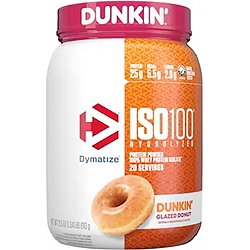
Fuel your workouts with the best protein powder designed to support muscle growth and recovery. Our curated selection features high-quality protein sources, including whey and plant-based options, ensuring you find the perfect fit for your dietary needs. Each product is crafted to deliver essential amino acids and promote optimal performance, making it easier to achieve your fitness goals. With a variety of flavors and formulations, you can enjoy a delicious and nutritious boost before or after your workouts. Elevate your fitness routine with the right protein supplement today!
When selecting a protein powder for workouts, consider the type of protein source, such as whey, casein, or plant-based options, as each has different absorption rates and benefits. Look for a product with a high protein content per serving to support muscle recovery and growth. Additionally, check for the presence of essential amino acids, particularly branched-chain amino acids (BCAAs), which can aid in muscle repair. Lastly, consider any dietary restrictions or preferences, such as lactose-free or vegan options, to ensure the protein powder fits your nutritional needs.
Protein powder can play a key role in muscle recovery after exercise by providing essential amino acids that help repair and rebuild muscle tissue. Consuming protein post-workout can stimulate muscle protein synthesis, which is crucial for recovery and growth. Additionally, protein can help reduce muscle soreness and improve overall recovery time, allowing for more effective training sessions in the future. Many athletes and fitness enthusiasts incorporate protein powder into their post-exercise nutrition to support these recovery processes.
There are several types of protein powders available for workout supplementation, each catering to different dietary needs and preferences. Whey protein is a popular choice due to its fast absorption and high biological value, making it ideal for post-workout recovery. Plant-based protein powders, such as those derived from peas, rice, or hemp, are suitable for vegetarians and vegans, offering a good alternative for those avoiding animal products. Casein protein, which digests more slowly, is often used for sustained amino acid release, making it a good option for nighttime use.
To determine the right protein powder for your fitness goals, consider your specific needs, such as muscle building, weight loss, or recovery. Look for protein sources that align with your dietary preferences, such as whey, casein, or plant-based options. Additionally, pay attention to the protein content per serving, as well as any added ingredients like amino acids or vitamins that may support your training. Finally, consider the flavor and mixability to ensure you enjoy incorporating it into your routine.
Using protein powder before or after a workout can help support muscle recovery and growth. Consuming protein around your workout can provide your body with the necessary amino acids to repair and build muscle tissue. Additionally, it may help to enhance overall performance by providing a convenient source of energy. Many individuals find that incorporating protein powder into their routine helps them meet their daily protein intake goals more easily.
Yes, certain protein powders can be more suitable for specific types of workouts based on their composition and intended use. For example, whey protein is often favored for post-workout recovery due to its quick absorption, making it ideal for strength training and high-intensity workouts. Plant-based protein powders may be preferred by those engaging in endurance activities or following a vegan diet, as they can provide a balanced amino acid profile. Ultimately, the choice of protein powder should align with individual fitness goals and dietary preferences.
When selecting protein powders for workouts, it's wise to avoid those with excessive added sugars, artificial sweeteners, and fillers that may not provide nutritional benefits. Additionally, steer clear of protein sources that are not easily digestible or may cause gastrointestinal discomfort for some individuals. Ingredients like gluten or lactose can also be problematic for those with sensitivities. Always check the label for transparency regarding the source and quality of the protein used.
Protein powders can vary widely in taste and mixability based on their ingredients and formulation. Some are flavored to enhance the taste, while others may have a more natural or unflavored option, appealing to different preferences. Mixability can also differ; some powders dissolve easily in water or milk, creating a smooth texture, while others may clump or require more vigorous shaking or blending. It's important to consider these factors when selecting a protein powder to ensure it meets your taste and preparation preferences.
The ideal protein content per serving in a workout protein powder typically ranges from 20 to 30 grams. This amount is generally sufficient to support muscle recovery and growth after exercise. It's important to consider your individual dietary needs and workout intensity when selecting a protein powder. Additionally, the source of protein, such as whey or plant-based options, can also influence the overall effectiveness and digestibility.
Protein powder can be a convenient option for active individuals looking to supplement their diet, but it is generally not recommended as a complete meal replacement. While it provides essential protein, it may lack other important nutrients such as carbohydrates, fats, vitamins, and minerals that are typically found in whole foods. For those considering using protein powder in this way, it is important to ensure that the overall diet remains balanced and includes a variety of nutrient-dense foods.
Continue browsing