â
Discover the essential fly tying vise for every angler's toolkit. Designed for precision and stability, these vises provide a secure grip on your materials, allowing for intricate and detailed fly creations. With adjustable features and durable construction, our selection caters to both beginners and experienced tiers alike. Whether you're crafting delicate dries or robust streamers, a quality fly tying vise enhances your tying experience. Elevate your fly fishing game with the right tools that ensure every fly is tied to perfection.
A fly tying vise is a specialized tool used to hold a hook securely while you attach materials to create artificial flies for fishing. It is essential for ensuring precision and stability during the tying process, allowing for better craftsmanship and consistency in the flies you produce. A good vise can enhance your tying experience by providing ease of use and versatility.
When choosing a fly tying vise, consider features such as the type of jaw, adjustability, and the range of hook sizes it can accommodate. A rotary function can also be beneficial for easier access to all sides of the fly. Additionally, look for durability in materials and a sturdy base to ensure stability during use.
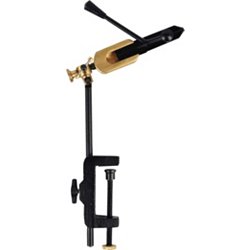
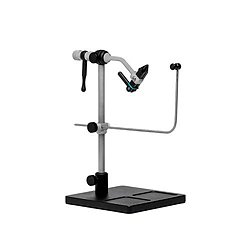
Yes, there are various styles of fly tying vises, including rotary vises, fixed vises, and portable options. Rotary vises allow for 360-degree rotation, making it easier to work on intricate patterns, while fixed vises are often simpler and more straightforward. Portable vises are designed for anglers who want to tie flies on the go.
The right size of fly tying vise depends on the types of flies you plan to tie and the sizes of hooks you will use. Most vises are designed to accommodate a range of hook sizes, but if you primarily tie larger or smaller flies, ensure the vise can handle those specific sizes. Checking the manufacturer's specifications can help you make an informed choice.
Fly tying vises are typically made from materials like stainless steel, aluminum, or brass, which contribute to their durability and performance. Stainless steel is resistant to corrosion, making it ideal for use around water, while aluminum is lightweight and easy to handle. The choice of material can impact the vise's longevity and stability during use.
Most fly tying vises are versatile and can be used for various types of flies, including dry flies, wet flies, and streamers. The design and features of the vise will determine its adaptability for different tying techniques. A good vise should accommodate a wide range of hook sizes and styles, making it suitable for all your fly tying needs.
Continue browsing