â
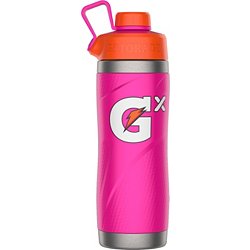
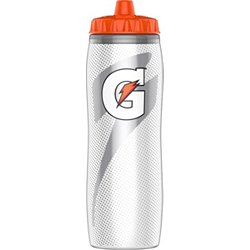
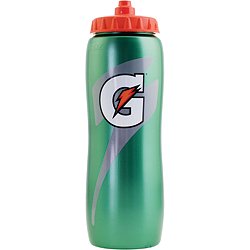
Our Fuel Bottles sold out quickly! Explore similar styles now!
A fuel bottle is primarily used to store and transport liquid fuels for camping stoves and other outdoor cooking equipment. They are designed to be lightweight and durable, making them ideal for backpacking and hiking trips. Fuel bottles can also be used for other applications, such as refueling small engines or as a backup fuel source for emergencies.
Fuel bottles are commonly made from materials such as aluminum or stainless steel, which offer a good balance of weight, durability, and resistance to corrosion. Some may also feature plastic components for added convenience and weight reduction. It's important to choose a material that is compatible with the type of fuel you plan to use.
Choosing the right size fuel bottle depends on the duration of your trip and the type of cooking you plan to do. For short trips, a smaller bottle may suffice, while longer excursions may require a larger capacity to ensure you have enough fuel. Consider your cooking habits and the number of people you are cooking for when selecting the size.
Yes, fuel bottles are designed with safety in mind, featuring secure closures to prevent leaks and spills. However, it is essential to follow proper guidelines for storage and transport, such as keeping them upright and away from heat sources. Always check for any signs of damage before use to ensure safety.
Not all fuel bottles are compatible with every type of fuel. It's crucial to check the manufacturer's recommendations regarding the specific fuels that can be used. Common fuel types include white gas, kerosene, and alcohol, but using the wrong fuel can damage the bottle or pose safety risks.
Continue browsing