â
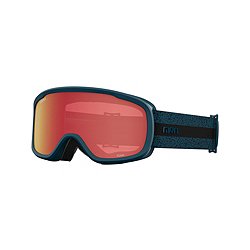
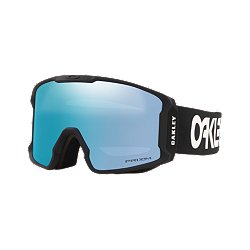
Explore our premium selection of goggles for snowy conditions, designed to enhance your winter sports experience. Featuring anti-fog technology and UV protection, these goggles ensure clear vision and comfort in challenging weather. With adjustable straps and a variety of lens tints, you can find the perfect fit and visibility for any snowy adventure. Lightweight and durable, our goggles are built to withstand the elements while providing maximum protection. Gear up for your next ski trip with confidence and style, knowing you have the best eye protection on the slopes.
When selecting goggles for snowy conditions, consider features that enhance visibility and comfort. Look for lenses with anti-fog coatings to prevent moisture buildup and tints that improve contrast in bright, reflective environments. A good fit is essential, so choose goggles with adjustable straps and foam padding for comfort and a secure seal against the elements. Additionally, ventilation systems can help reduce fogging and improve airflow.
Goggles designed for snowy conditions enhance visibility by incorporating specific lens technologies that reduce glare and improve contrast in bright, reflective environments. Many of these goggles feature anti-fog coatings to maintain clear vision during temperature changes and high activity levels. Additionally, some models may include interchangeable lenses that allow users to adapt to varying light conditions, ensuring optimal sight on the slopes. The overall design also helps to shield the eyes from wind and snow, further improving clarity and comfort.
For snowy environments, lenses that enhance contrast and visibility are ideal. Look for options with a yellow, rose, or amber tint, as these colors can help improve depth perception and reduce glare from the snow. Additionally, polarized lenses can minimize reflections, making it easier to see in bright conditions. Anti-fog coatings are also beneficial to maintain clear vision while navigating snowy terrain.
Yes, certain styles of goggles are designed specifically for snow sports, offering features that enhance visibility and comfort in snowy conditions. Look for goggles with anti-fog coatings and interchangeable lenses to adapt to varying light conditions. Additionally, a snug fit and ventilation systems can help prevent fogging and ensure a clear view while navigating the slopes. Many goggles also come with a wider field of vision, which is beneficial for spotting obstacles and enjoying the scenery.
To determine the right fit for goggles designed for snowy conditions, start by considering the size and shape of your face. Goggles should create a snug seal around your eyes without causing discomfort or pressure points. Look for adjustable straps that allow for a secure fit with your helmet or beanie. Additionally, check for features like foam padding that can enhance comfort and help with moisture management.
Goggles designed for snowy conditions typically feature lenses made from polycarbonate or other durable plastics, which provide clarity and impact resistance. The frames are often constructed from flexible materials like thermoplastic polyurethane to ensure a comfortable fit and adaptability to various face shapes. Additionally, many goggles include foam padding for added comfort and insulation, while anti-fog coatings are commonly applied to the lenses to maintain visibility in changing weather conditions.
Anti-fog coatings in goggles designed for snowy conditions work by reducing the surface tension of water droplets, preventing them from forming fog on the lens. These coatings create a hydrophilic surface that allows moisture to spread evenly across the lens instead of accumulating in droplets. This technology helps maintain clear visibility in varying temperatures and humidity levels, which is essential for safe and enjoyable outdoor activities in snowy environments. Regular maintenance and proper storage can help prolong the effectiveness of these coatings.
Wearing goggles designed for snowy conditions helps enhance visibility by reducing glare from the sun reflecting off the snow. These goggles often feature anti-fog coatings and ventilation systems to prevent fogging, ensuring clear sightlines while navigating winter environments. Additionally, they provide protection against wind, snow, and UV rays, which can be particularly harsh in snowy settings. The right fit and design also contribute to comfort and performance during outdoor activities in cold weather.
Goggles designed for snowy conditions can often be used in other weather types, but their effectiveness may vary. Many of these goggles feature specific lens tints and coatings that enhance visibility in low-light or snowy environments, which might not be ideal for bright, sunny days. If you plan to use them in varying conditions, consider the lens features and whether they provide adequate protection and clarity for those environments. Always ensure that the goggles fit comfortably and securely for the best performance.
When choosing goggles for snowy conditions, consider factors such as lens tint, which can enhance visibility in varying light conditions, and anti-fog features to maintain clear vision during activity. Look for a comfortable fit that accommodates your helmet and face shape, as well as ventilation systems to reduce moisture buildup. Additionally, consider the lens shape and size for peripheral vision and protection from wind and snow.
Continue browsing



 (46)