â
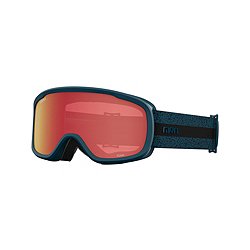
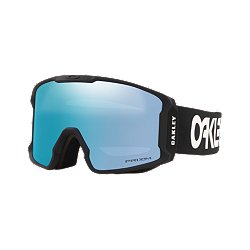
Enhance your skiing experience with our premium selection of ski goggles designed for optimal peripheral vision. These goggles feature wide lenses that provide an expansive field of view, ensuring you can spot obstacles and enjoy the scenery without missing a beat. With anti-fog technology and UV protection, you’ll stay comfortable and safe on the slopes. Lightweight and adjustable, our ski goggles offer a secure fit for all-day wear. Gear up for your next adventure and enjoy unparalleled visibility and style on the mountain.
When looking for ski goggles that enhance peripheral vision, consider models with a wide field of view and a low-profile frame design. Opt for lenses that are curved or spherical, as these can help minimize distortion and provide a more expansive view. Additionally, features like anti-fog coatings and interchangeable lenses can improve visibility in varying conditions, ensuring you can see clearly from all angles while skiing.
Ski goggles designed with peripheral vision enhance safety on the slopes by providing a wider field of view, allowing skiers to better detect obstacles and other skiers around them. This increased visibility helps in making quicker decisions and adjustments while navigating through various terrains. Additionally, goggles that prioritize peripheral vision can reduce blind spots, contributing to a more aware and confident skiing experience. Overall, these features support improved situational awareness, which is crucial for safety in dynamic environments.
Yes, certain lens technologies are designed to enhance peripheral vision in ski goggles. These technologies often include a wider lens shape and advanced curvature, which help to minimize distortion and provide a more expansive field of view. Additionally, some goggles feature anti-fog coatings and tints that improve visibility in varying light conditions, further enhancing the overall experience on the slopes. When selecting ski goggles, look for these features to ensure optimal peripheral vision.
Fit and comfort are crucial for ski goggles to ensure optimal peripheral vision while on the slopes. A well-fitting goggle creates a secure seal around the face, minimizing gaps that could allow cold air or snow to enter, which can be distracting. Additionally, comfortable goggles allow for extended wear without discomfort, enabling skiers to maintain focus on their surroundings. This combination of fit and comfort enhances overall visibility and performance, allowing skiers to react quickly to changes in their environment.
Different frame styles can significantly influence the peripheral vision offered by ski goggles. Goggles with a larger, more open frame design typically provide a wider field of view, allowing for better visibility of surroundings. Additionally, low-profile frames can minimize blind spots, enhancing overall awareness on the slopes. The shape and curvature of the lens also play a role, as they can help to reduce distortion and improve clarity in peripheral vision.
Ski goggles designed to maximize peripheral vision often utilize a combination of high-quality lenses and flexible frames. The lenses are typically made from polycarbonate or other impact-resistant materials that provide clarity and a wide field of view. Additionally, the frames are often constructed from lightweight, durable materials that allow for a snug fit while maintaining comfort. Many models also feature a cylindrical or spherical lens shape, which enhances peripheral visibility and reduces distortion.
Ski goggles designed with enhanced peripheral vision can be suitable for various winter sports, such as snowboarding and snowshoeing. The wider field of view allows for better awareness of surroundings, which is beneficial in fast-paced environments. While primarily intended for skiing, these goggles can enhance the experience in other activities where visibility is crucial. Always ensure that the goggles fit well and provide adequate protection for the specific sport you are engaging in.
Having a wider field of view in ski goggles enhances your overall skiing experience by allowing you to see more of your surroundings. This increased peripheral vision helps you better anticipate obstacles, navigate through varying terrain, and maintain awareness of other skiers. Additionally, a broader view can improve depth perception, making it easier to judge distances and speeds while on the slopes. Overall, ski goggles designed for a wider field of view contribute to a more enjoyable and safer skiing adventure.
Weather conditions can significantly affect the performance of ski goggles designed for peripheral vision. In low-light situations, such as cloudy or snowy days, goggles with enhanced peripheral vision can help skiers maintain awareness of their surroundings, improving overall visibility. Conversely, bright sunlight can create glare, making it essential for goggles to have effective anti-fog and UV protection features. Additionally, wet or snowy conditions may require goggles with specific lens coatings to prevent fogging and ensure clear vision.
Continue browsing



 (38)