â
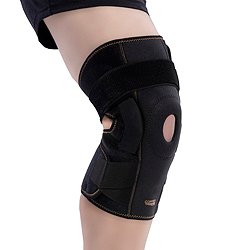
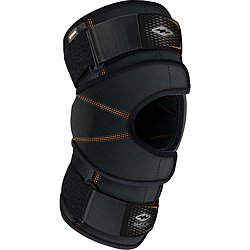
Explore the great outdoors with confidence using our knee braces for hiking. Designed to provide support and stability, these braces help alleviate discomfort during your adventures on rugged trails. Lightweight and breathable materials ensure comfort, while adjustable features allow for a customized fit. Whether you're tackling steep inclines or uneven terrain, our knee braces enhance your mobility and protect your joints. Gear up for your next hike and enjoy the freedom to explore with the added support you need.
When selecting a knee brace for hiking, consider features such as support level, adjustability, and breathability. Look for braces that offer compression to stabilize the knee while allowing for a full range of motion. Additionally, materials that wick moisture can enhance comfort during long hikes.
A knee brace can improve comfort and performance by providing support to the knee joint, reducing the risk of injury during strenuous activities. It can help alleviate pressure on the knee, allowing for better endurance on challenging trails. This added support can also enhance confidence, enabling hikers to navigate uneven terrain more effectively.
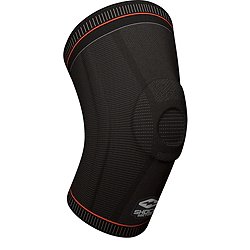
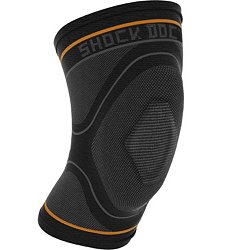
Yes, there are various types of knee braces suitable for hiking, including sleeves, supports with straps, and more rigid braces. Each type offers different levels of support and flexibility, catering to individual needs based on the intensity of the hike and personal comfort preferences. It's important to choose a type that aligns with your hiking style and any specific knee concerns.
Knee braces for hiking are typically made from materials like neoprene, elastic, and breathable fabrics. Neoprene provides warmth and compression, while elastic materials allow for flexibility and ease of movement. Breathable fabrics help manage moisture and keep the skin dry, which is essential for comfort during long hikes.
Yes, a knee brace can help prevent injuries while hiking by providing additional support and stability to the knee joint. It can help reduce the strain on ligaments and tendons, especially during downhill descents or on uneven surfaces. However, it's important to combine the use of a brace with proper hiking techniques and conditioning for the best results.
Continue browsing