â
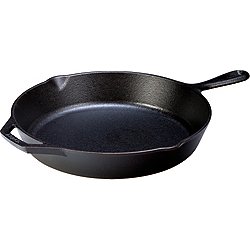
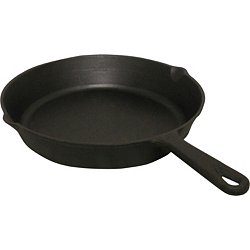
Discover the versatility and convenience of our non-stick skillets, designed to make cooking a breeze. Featuring durable, easy-to-clean surfaces, these skillets ensure effortless food release and minimal sticking, perfect for everything from sautéing vegetables to frying eggs. With even heat distribution, you can achieve perfectly cooked meals every time. Lightweight and easy to handle, our non-stick skillets are ideal for both novice cooks and seasoned chefs. Upgrade your kitchen essentials and enjoy stress-free cooking with our high-quality non-stick skillets.
 (1)
(1) Non-stick skillets offer several advantages, including easy food release, which reduces the need for excessive oil or butter. This makes them ideal for cooking delicate items like eggs or pancakes. Additionally, they are generally easier to clean, saving time in the kitchen.
Non-stick skillets are typically made from materials such as aluminum, which provides even heat distribution, or stainless steel with a non-stick coating. Some skillets may also feature ceramic coatings, which are known for being free of harmful chemicals. Understanding the material can help you choose a skillet that best fits your cooking style.
While non-stick skillets are versatile, they are not always suitable for high-heat cooking. High temperatures can damage the non-stick coating, leading to reduced performance over time. It’s best to use medium to low heat for optimal cooking results and to prolong the life of the skillet.
Non-stick skillets are particularly well-suited for cooking foods that are prone to sticking, such as eggs, pancakes, and delicate fish. They are also great for sautéing vegetables and making sauces, as the non-stick surface allows for easy stirring and flipping without food adhering to the pan.
Choosing the right size non-stick skillet depends on the quantity of food you typically prepare. Smaller skillets are perfect for single servings or side dishes, while larger skillets are better for family meals or when cooking multiple items at once. Consider your cooking habits and storage space when selecting the size.
To maintain the longevity of non-stick skillets, it is recommended to use utensils made of silicone, wood, or plastic to avoid scratching the surface. Hand washing with mild soap and a soft sponge is usually sufficient, as abrasive cleaners can damage the coating. Always refer to the manufacturer's guidelines for specific care instructions.
Continue browsing