â
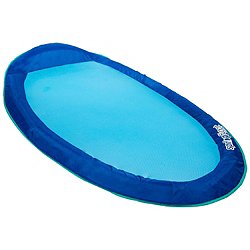
Explore our selection of rescue boats designed for safety and fun on the water. These durable and buoyant vessels are perfect for both recreational use and emergency situations, ensuring reliable performance when it matters most. With features like easy maneuverability and bright colors for visibility, our rescue boats are ideal for both kids and adults. Whether you're at the pool, lake, or beach, these boats provide peace of mind while enhancing your aquatic adventures. Equip yourself with the right rescue boat for a safe and enjoyable experience on the water.
 (3)
When selecting a rescue boat, consider features such as buoyancy, stability, and maneuverability to ensure effective performance in emergency situations. Look for durable materials that can withstand harsh conditions and provide reliable flotation. Additionally, features like grab handles, reflective strips, and storage compartments can enhance usability and safety during rescues. It's also beneficial to choose a design that allows for easy transport and quick deployment.
Rescue boats are typically constructed from durable materials designed to withstand harsh conditions. Common materials include high-density polyethylene, which offers excellent resistance to impact and UV exposure, and reinforced PVC or nylon for inflatable models, providing flexibility and buoyancy. Additionally, some rescue boats may feature aluminum or fiberglass components for added strength and stability. These materials ensure that the boats are reliable and effective in emergency situations.
To determine the right size of a rescue boat for your needs, consider the intended use and the number of people it will need to accommodate. Evaluate the boat's capacity in terms of weight and volume, ensuring it can safely hold the required gear and personnel. Additionally, think about the environment where you will be using the boat, as different sizes may perform better in various water conditions. Finally, consider storage and transport options, as larger boats may require more space and equipment for handling.
Rescue boats are primarily used in water safety for swift response to emergencies, such as assisting individuals in distress or conducting search and rescue operations. They are designed to navigate various water conditions, allowing rescuers to reach those in need quickly and efficiently. Additionally, these boats can be utilized for training purposes, helping lifeguards and rescue teams practice their skills in a controlled environment. Their construction often includes features that enhance stability and maneuverability, making them suitable for various rescue scenarios.
Rescue boats are specifically designed for emergency situations and are equipped with features that enhance their functionality in rescue operations. They often have a lightweight construction for easy maneuverability and may include specialized equipment such as throw bags or rescue lines. In contrast, regular boats are typically built for leisure or transportation purposes and may not have the same level of safety features or quick deployment capabilities. The design and materials used in rescue boats prioritize durability and stability in challenging conditions.
When considering safety features in a rescue boat, look for stability and buoyancy to ensure it remains upright in various water conditions. Visibility is also crucial, so bright colors or reflective materials can help make the boat easily seen. Additionally, features like grab handles and secure seating can enhance safety during rescue operations, allowing for easier access and stability for both the rescuer and the person being assisted. Finally, having a reliable means of communication or signaling can be vital in emergency situations.
Yes, rescue boats can be used in both freshwater and saltwater environments. Many are designed with materials that resist corrosion and damage from saltwater, making them suitable for various aquatic conditions. It's important to consider the specific features and construction of the boat to ensure it meets the demands of the intended environment. Always check the manufacturer's guidelines for optimal use in different water types.
The typical weight capacity of a rescue boat can vary based on its design and intended use. Many rescue boats are built to accommodate multiple passengers along with equipment, often supporting a weight range from several hundred to over a thousand pounds. It's important to consider the specific model and its specifications to ensure it meets the needs of your rescue operations. Always check the manufacturer's guidelines for accurate capacity information.
To ensure the durability of a rescue boat for long-term use, it is important to choose a model made from high-quality, weather-resistant materials that can withstand exposure to water and UV rays. Regular maintenance, such as cleaning the boat after each use and checking for any signs of wear or damage, will help prolong its lifespan. Additionally, storing the boat in a cool, dry place when not in use can prevent deterioration from environmental factors. Following the manufacturer's care instructions can also contribute to maintaining the boat's integrity over time.
When considering accessories or equipment for a rescue boat, it's important to focus on safety and functionality. Essential items include flotation devices, such as life jackets, to ensure the safety of all individuals on board. Additionally, having a rescue throw bag can aid in reaching individuals in distress from a distance. Other useful accessories may include signaling devices, first aid kits, and communication tools to enhance rescue operations.
Continue browsing