â
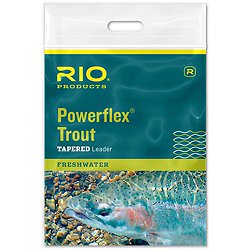
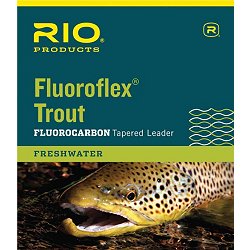
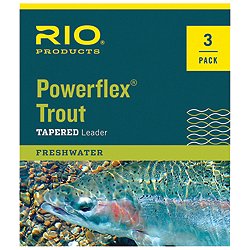
Explore our extensive selection of rigs for trout, designed to enhance your fishing experience. Featuring durable materials and innovative designs, these rigs ensure optimal performance on the water. From versatile leaders to effective lures, each product is crafted to attract trout and improve your catch rate. Whether you're a seasoned angler or just starting out, our rigs offer reliability and ease of use for every fishing adventure. Gear up with the right tools to make your next trout fishing trip a success!
When fishing for trout, various types of rigs can enhance your success. Popular options include slip bobber rigs, which allow for adjustable depth, and Carolina rigs, which are effective for bottom fishing. Additionally, using a simple rig with a hook and weight can be effective for casting and retrieving lures or bait. Each rig type can be tailored to specific fishing conditions and techniques, making it important to choose one that suits your fishing style.
Choosing the right rig for trout fishing depends on various factors, including water conditions, the type of trout you are targeting, and the fishing technique you plan to use. For clear water, lighter and more natural presentations often work best, while murkier conditions may require brighter colors or larger baits to attract attention. Additionally, consider the depth at which the trout are feeding; using a rig that allows you to adjust the depth can be beneficial. Experimenting with different setups can help you determine what works best for your specific fishing environment.
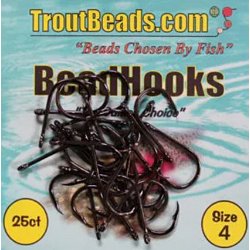
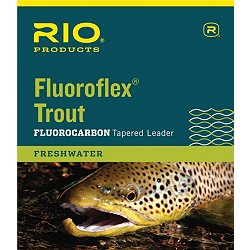
Trout fishing rigs are typically made from a variety of materials designed to enhance performance and durability. Common materials include monofilament and fluorocarbon lines, which offer flexibility and low visibility in water. Additionally, components like hooks and weights are often made from stainless steel or lead, providing strength and stability. Some rigs may also incorporate beads or other accessories made from plastic or rubber to attract fish.
When selecting a trout rig, consider the type of materials used, as durable and flexible options can enhance performance. Look for rigs that offer versatility in terms of setup, allowing for various fishing techniques. Additionally, features like built-in attractants or specialized components can improve your chances of success. Finally, ensure the rig is suitable for the specific water conditions and trout species you are targeting.
Yes, there are specific rigs designed to target different types of trout, as each species may respond better to certain setups. For instance, some rigs are tailored for catching larger trout, while others are more effective for smaller varieties. Additionally, the choice of materials and components can vary based on the fishing environment, such as freshwater lakes or rivers. Understanding the preferences of the trout species in your area can help you select the most suitable rig for your fishing needs.
The size of the rig can significantly influence trout fishing success by affecting the presentation and visibility of the bait. A smaller rig may be less intrusive and more natural, making it appealing to cautious trout, while a larger rig can be more visible in murky waters or when targeting larger fish. Additionally, the size can impact the depth at which the bait is presented, which is crucial for reaching trout that may be holding at specific depths. Ultimately, selecting the right size rig can enhance the chances of attracting and catching trout.
Specialized rigs for trout fishing offer several advantages that can enhance your fishing experience. They are designed to mimic the natural movement and behavior of prey, making them more attractive to trout. Additionally, these rigs often incorporate specific materials and components that improve sensitivity and help anglers detect bites more effectively. Using the right rig can also increase your chances of success in various fishing conditions and environments.
Trout rigs are primarily designed for freshwater fishing, targeting species like trout in lakes and rivers. While some components may be suitable for saltwater use, it is important to ensure that the materials and rigging are resistant to saltwater corrosion. If you plan to fish in saltwater, consider using rigs specifically designed for that environment to enhance durability and performance.
When selecting a trout rig, consider seasonal factors such as water temperature, fish behavior, and food availability. In warmer months, trout may be more active and closer to the surface, so lighter rigs with smaller baits can be effective. During colder months, trout tend to be less active and may require heavier rigs with more substantial baits to attract them. Additionally, seasonal changes in insect hatches and other food sources can influence the type of rig that will be most successful.
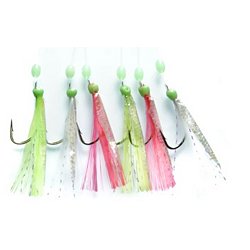
Different rig styles can significantly influence how bait is presented to trout. For instance, a bottom rig may keep bait close to the lake or riverbed, appealing to trout that feed near the substrate. In contrast, a float rig can suspend bait at varying depths, allowing for a more dynamic presentation that can attract fish in different water columns. Additionally, the use of beads or other accessories can enhance visibility and mimic natural prey, further enticing trout to bite.
Continue browsing



 (9)