â
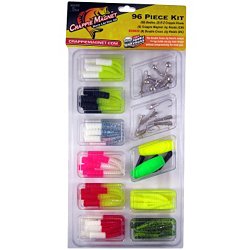
Discover the ultimate selection of grubs for trout fishing, designed to enhance your angling experience. Our collection features soft baits that mimic the natural movement of trout prey, ensuring you attract more fish. With a variety of colors and sizes, these grubs are perfect for any fishing condition, providing versatility and effectiveness. Whether you're a seasoned angler or a beginner, our high-quality grubs will help you reel in your next big catch. Equip yourself with the best tools for successful trout fishing and enjoy a rewarding day on the water.
 (5)
When fishing for trout, soft plastic grubs that mimic natural prey are often effective. Grubs that resemble insects, worms, or small aquatic creatures can attract trout due to their lifelike movement and appearance. Many anglers prefer grubs in various colors and sizes to match the local forage and water conditions. Experimenting with different styles can help determine what works best in a specific fishing environment.
Grubs are a popular bait option for trout fishing due to their natural appearance and movement in the water, which can attract fish effectively. Unlike some other bait types, grubs can mimic the look of various aquatic insects that trout commonly feed on. They are versatile and can be used in different fishing techniques, making them suitable for various fishing conditions. Many anglers find that using grubs can lead to successful catches, especially when paired with the right fishing strategy.
Grubs can be effective for trout fishing in various conditions, particularly in cooler water temperatures during spring and fall. They work well in both still and moving water, especially in areas with structure like rocks, logs, or vegetation where trout tend to hide. Early morning and late evening are often ideal times to use grubs, as trout are more active during these periods. Additionally, using grubs in cloudy or overcast weather can enhance their effectiveness, as trout may be more willing to venture out for food.
Yes, certain colors of grubs can be more effective for trout fishing, depending on the water conditions and the time of year. Natural colors like brown, green, and black often mimic the appearance of common prey in freshwater environments. Bright colors such as chartreuse or pink can be useful in murky waters or during low-light conditions to attract attention. Experimenting with different colors can help determine what works best in your specific fishing location.
When targeting trout, smaller grubs are often recommended, typically ranging from 1 to 3 inches in length. These sizes mimic the natural prey of trout, making them more appealing. Additionally, the color and action of the grub can also play a significant role in attracting trout, so it's beneficial to experiment with different options to see what works best in your fishing environment.
When choosing the right grub for different trout species, consider the size and color of the bait in relation to the specific trout you are targeting. Smaller grubs are often effective for smaller trout, while larger ones may attract bigger species. Additionally, matching the color of the grub to the natural forage in the water can enhance your chances of success. Experimenting with different styles and materials can also help you determine what works best in various fishing conditions.
To enhance the effectiveness of grubs when fishing for trout, consider varying your retrieval speed and technique. A slow, steady retrieve can mimic the natural movement of prey, while occasional pauses can entice curious fish. Additionally, using a jigging motion can create an appealing action that attracts trout. Experimenting with different colors and sizes of grubs can also help you find what works best in your fishing environment.
Grubs are primarily used in freshwater fishing for trout, as they mimic the natural food sources found in lakes and streams. While some anglers may experiment with grubs in saltwater environments, they are not typically effective for trout in those conditions. It is important to choose the right type of bait based on the specific fishing environment to increase your chances of success.
Soft bait grubs are popular for trout fishing due to their lifelike appearance and movement in the water, which can effectively attract trout. They are versatile and can be used in various fishing techniques, such as jigging or drifting, making them suitable for different fishing environments. Additionally, soft baits often come in a range of colors and sizes, allowing anglers to match the local forage and adapt to changing conditions. Their soft texture can also enhance the hook-up rate, as trout tend to hold onto them longer.
Seasonal changes can significantly influence the effectiveness of grubs for trout fishing. In warmer months, trout are often more active and may be drawn to more vibrant and lively grub patterns that mimic their natural prey. As temperatures drop in the fall and winter, trout may prefer more subdued colors and slower presentations, as their metabolism slows down. Understanding these seasonal patterns can help anglers select the right grub type and fishing technique to improve their chances of success.
Continue browsing