â
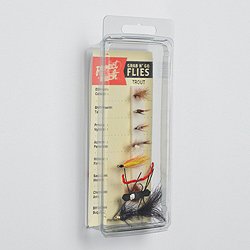
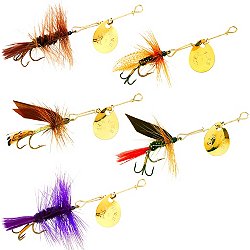
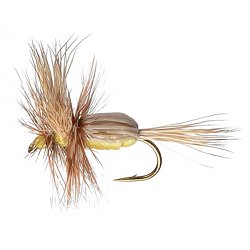
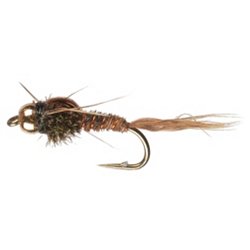
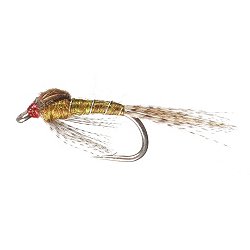
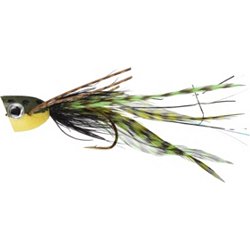
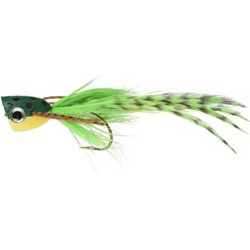
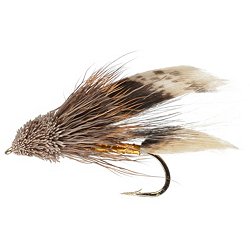
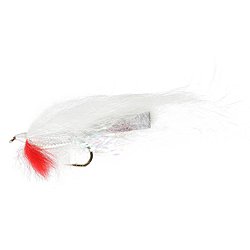
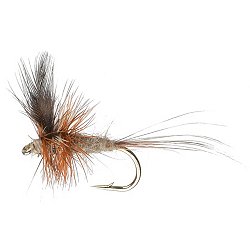
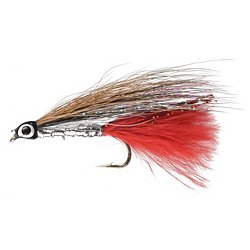
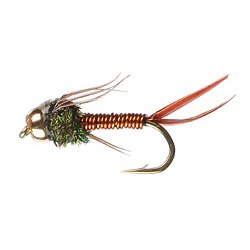
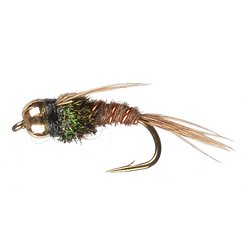
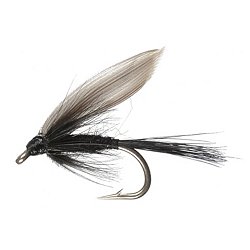
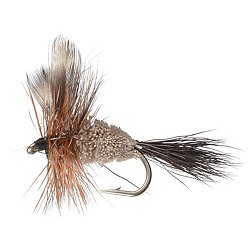
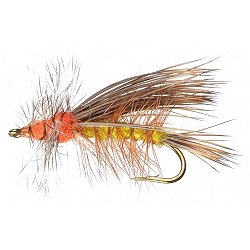
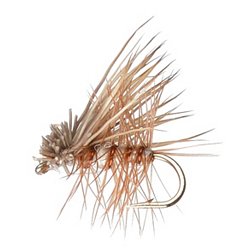
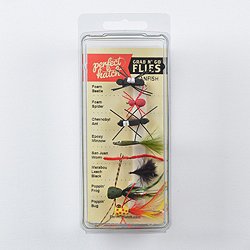
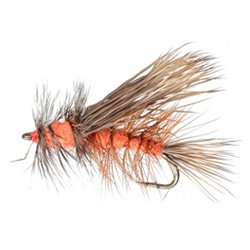
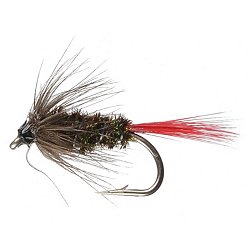
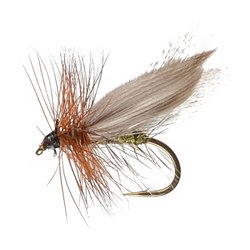
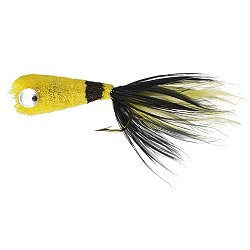
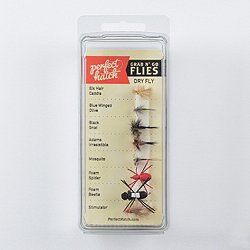
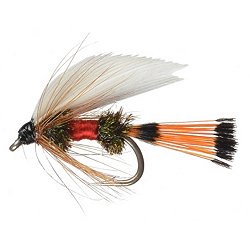
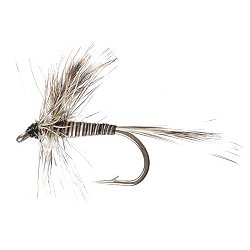
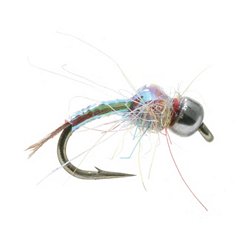
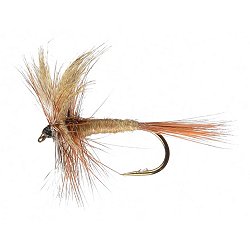
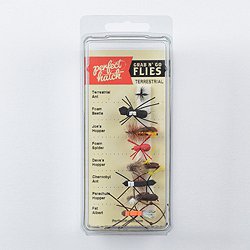
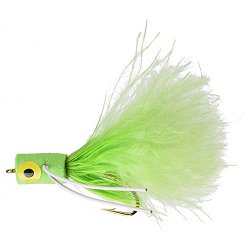
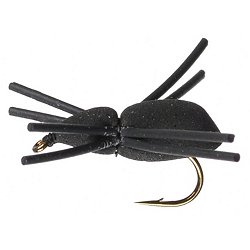
Explore our collection of popular trout flies, designed to enhance your fishing experience. Featuring a variety of styles, from nymphs to dry flies, these expertly crafted lures attract trout with ease. Each fly is made with high-quality materials to ensure durability and effectiveness on the water. Whether you're a seasoned angler or just starting out, our selection provides the perfect options for every fishing adventure. Gear up and increase your chances of landing that trophy trout with our top-rated fly assortment.
 (43)
For beginners, popular types of trout flies often include dry flies, nymphs, and streamers. Dry flies mimic insects on the water's surface, making them effective for catching trout during hatches. Nymphs are designed to imitate the underwater life cycle of insects, while streamers resemble small fish or other prey. These options provide a versatile starting point for novice anglers looking to enhance their fishing experience.
Choosing the right trout flies for different fishing conditions involves considering factors such as water temperature, insect activity, and the time of year. In warmer months, dry flies that mimic surface insects can be effective, while nymphs and streamers may work better in cooler conditions or when fish are deeper. Observing the local insect life and matching the hatch can also guide your selection. Additionally, varying your fly size and color based on water clarity and weather can enhance your chances of success.
Popular trout flies are typically made from a variety of materials that enhance their effectiveness in attracting fish. Common materials include feathers, fur, and synthetic fibers, which are often used for the body and wings of the flies. Additionally, hooks are usually made from metal, providing strength and durability. Some flies may also incorporate beads or other embellishments to add weight or visual appeal.
When selecting effective trout flies, consider the size, color, and pattern that mimic the natural food sources in the water. Look for flies that are made from durable materials to withstand repeated use and various water conditions. Additionally, consider the type of fly, such as dry flies, nymphs, or streamers, as each serves a different purpose in attracting trout. Lastly, pay attention to the weight and buoyancy, which can affect how the fly behaves in the water.
Yes, certain trout flies tend to be more effective during specific seasons due to the changing behavior of trout and the availability of natural food sources. In spring, for example, nymphs and emerging insects are often successful as trout become more active after winter. During summer, dry flies that mimic adult insects can be effective, while in fall, streamers and larger patterns may attract trout as they prepare for winter. Understanding the seasonal patterns can help anglers choose the right flies for their fishing trips.
Popular trout flies vary in size and color to mimic the natural food sources of trout in different environments. Sizes can range from small, delicate patterns that imitate insects to larger, more robust designs that resemble baitfish or other prey. Color variations are also significant, with some flies featuring bright, vibrant hues to attract attention, while others use more subdued, natural tones to blend in with the surroundings. This diversity allows anglers to select flies that are best suited for specific fishing conditions and trout behavior.
When using trout flies, it's important to consider the specific water type you are fishing in. In fast-moving streams, opt for patterns that mimic smaller baitfish or insects, as trout often feed on these in turbulent waters. In still waters, larger, more visible flies can be effective, especially during hatching periods when insects are abundant. Additionally, adjusting your retrieve speed and depth can help match the natural behavior of the prey in different environments, increasing your chances of a successful catch.
To determine the best trout flies for specific trout species, consider the natural food sources available in the water where you are fishing. Research the preferred insects and baitfish that different trout species feed on, as this can vary by location and season. Additionally, pay attention to the size, color, and behavior of the flies, as matching these characteristics to the local hatch can improve your chances of success. Experimenting with various patterns and observing what works best in your fishing environment can also help refine your selection.
The effectiveness of trout flies during fishing is influenced by several factors, including the type of fly pattern, the size and color of the fly, and the local water conditions. Matching the hatch, or selecting flies that resemble the natural insects present in the water, can significantly improve success rates. Additionally, factors such as water temperature, time of day, and weather conditions can affect trout behavior and feeding patterns, making it important to adapt your fly selection accordingly. Understanding these elements can enhance your fishing experience and increase the likelihood of attracting trout.
To ensure the longevity of trout flies, it's important to store them in a cool, dry place to prevent moisture damage. Use a fly box with compartments to keep them organized and avoid crushing delicate materials. Regularly inspect your flies for any signs of wear or damage, and replace any that show significant signs of deterioration. Additionally, avoid exposing them to direct sunlight for extended periods, as this can degrade colors and materials over time.
Continue browsing