â
Explore our extensive collection of fly fishing nymphs, designed to enhance your angling experience. These meticulously crafted patterns mimic the natural movement of aquatic insects, making them irresistible to fish. With a variety of sizes, colors, and styles, our nymphs cater to different fishing conditions and species. Whether you're a seasoned pro or a beginner, these durable and effective flies will help you improve your catch rate. Equip yourself with the best fly fishing nymphs and elevate your fishing adventures to new heights.
 (16)
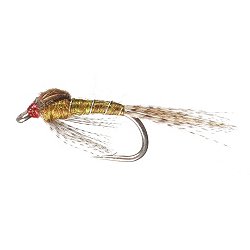
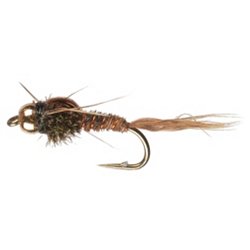
(16) Fly fishing nymphs are artificial flies designed to imitate the immature stages of aquatic insects. They are typically fished below the surface of the water, where many fish feed on nymphs. Anglers use various techniques, such as dead drifting or indicator fishing, to present these flies effectively to target species.
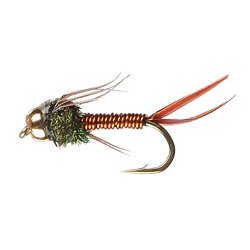
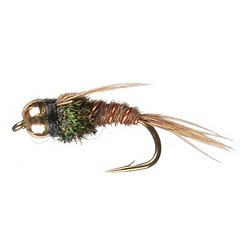
Fly fishing nymphs are often crafted from a variety of materials, including feathers, fur, and synthetic fibers. These materials are chosen for their ability to mimic the appearance and movement of real nymphs in the water. Additionally, some nymphs may feature weighted components to help them sink quickly to the desired depth.
Selecting the right fly fishing nymph depends on several factors, including water temperature, clarity, and the specific insects present in the environment. Observing the natural insect life and matching the size and color of your nymph to what is hatching can significantly improve your chances of success. Additionally, considering the time of year and local fish behavior can guide your selection.
Bead head nymphs offer several advantages, primarily their ability to sink quickly due to the added weight of the bead. This feature allows anglers to reach deeper water where fish may be holding. Furthermore, the bead can create a lifelike flash that attracts fish, making these nymphs effective in various fishing scenarios.
While fly fishing nymphs are primarily designed for freshwater fishing, some patterns can be adapted for saltwater use. Freshwater nymphs target species like trout and bass, while saltwater variations may mimic crustaceans or other aquatic life. It's essential to choose nymphs that suit the specific environment and species you are targeting.
Common techniques for fishing with nymphs include dead drifting, where the nymph is allowed to float naturally with the current, and high-sticking, which involves keeping the line off the water to maintain control. Another effective method is using an indicator to signal when a fish takes the nymph. Each technique can be adjusted based on water conditions and fish behavior.
Continue browsing