â
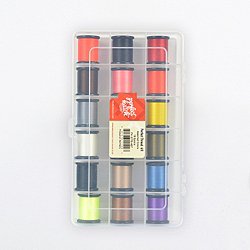
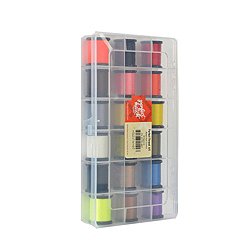
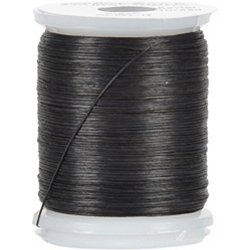
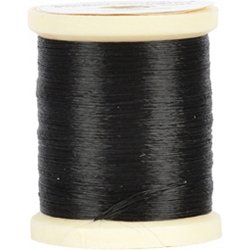
Explore our premium selection of fly fishing thread, designed to enhance your fly-tying experience. Our threads offer exceptional strength and durability, ensuring your flies hold up against the toughest conditions. Available in various sizes and colors, these threads provide versatility for all your fly patterns. With features like flat and standard options, you can achieve the perfect finish for every creation. Elevate your fly fishing game with high-quality threads that deliver reliability and performance on the water.
 (2)
(2) Fly fishing thread is a specialized type of thread used in the construction of fly patterns for fly fishing. It is designed to be strong yet lightweight, allowing anglers to securely attach materials like feathers, fur, and synthetic fibers to hooks. This thread comes in various sizes and colors, enabling customization of flies to match specific fishing conditions or target species. It is an essential tool for fly tiers looking to create effective and durable flies.
Choosing the right size of fly fishing thread depends on the type of flies you plan to tie and the materials you will be using. Thicker threads, such as 3/0, are suitable for larger flies and heavier materials, while finer threads, like 8/0, work well for smaller flies and delicate applications. Consider the weight and bulk of the materials you are using, as well as the size of the hook, to ensure proper adhesion and durability in your fly creations. Many anglers prefer to have a range of thread sizes on hand to accommodate different tying needs.
Fly fishing threads are typically made from materials such as nylon, polyester, and silk. Nylon and polyester threads are known for their strength and durability, making them suitable for various tying techniques. Silk threads offer a traditional option with a fine diameter, allowing for precise and delicate applications. Each material has its own characteristics that cater to different fly tying needs and preferences.
Yes, there are different types of fly fishing threads designed for various fishing techniques. These threads can vary in thickness, material, and texture, which can affect how they perform in tying flies. Some threads are specifically made for creating durable and strong connections, while others may be designed for finer details in fly construction. Choosing the right thread can enhance the effectiveness of your flies based on the specific fishing technique you are using.
When selecting a quality fly fishing thread, consider the thread's strength and durability, as these factors are crucial for tying secure knots and ensuring your flies hold up during use. Look for threads that have a flat or round profile, as this can affect the bulk and appearance of your flies. Additionally, the thread's size is important; finer threads are ideal for delicate patterns, while thicker options provide added strength for larger flies. Lastly, consider the color options available, as this can enhance the visibility and attractiveness of your flies in the water.
The thickness of fly fishing thread plays a crucial role in fly tying, as it influences the overall bulk and appearance of the finished fly. Thicker threads can provide added strength and durability, making them suitable for larger flies or those that require more tension. Conversely, thinner threads are ideal for delicate patterns where a finer finish is desired, allowing for more intricate detailing. Choosing the right thickness helps achieve the desired balance between strength and aesthetics in your fly creations.
Flat fly fishing thread offers a larger surface area, which can help create a more secure bond when tying flies, making it ideal for building bulk and adding body to patterns. It also tends to lay flatter against the hook shank, allowing for smoother finishes and better alignment of materials. In contrast, round thread is often preferred for its strength and versatility, as it can easily be used for a variety of tying techniques. Ultimately, the choice between flat and round thread depends on the specific fly patterns being tied and the desired aesthetic.
Fly fishing thread is designed primarily for tying flies, but it can also be used for other types of fishing applications, such as creating lures or securing tackle. Additionally, its strong and durable nature makes it suitable for various crafting projects, including making jewelry or other decorative items. However, it's important to consider the specific requirements of the project to ensure the thread meets the necessary strength and flexibility. Many anglers and crafters appreciate the versatility of fly fishing thread beyond its traditional use.
The durability of fly fishing thread is influenced by several factors, including the material used, the thread's diameter, and its construction. High-quality synthetic materials often provide greater strength and resistance to abrasion, while thicker threads can offer enhanced durability for heavy-duty applications. Additionally, the way the thread is twisted or braided can affect its overall resilience and performance in various fishing conditions. Proper storage and handling also play a role in maintaining the thread's integrity over time.
Choosing the right color of fly fishing thread for your flies depends on several factors, including the type of fly you are tying and the conditions in which you will be fishing. Consider the natural colors of the insects in your fishing area, as well as the water clarity and light conditions. Many anglers opt for colors that blend well with the materials used in the fly or that enhance the overall appearance to attract fish. Experimenting with different colors can also help you find what works best for your specific fishing situation.
Continue browsing