â
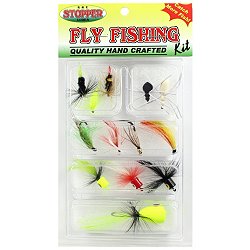
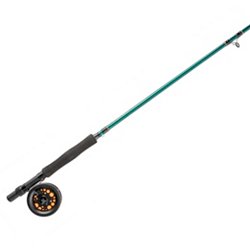
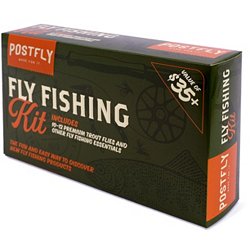
Dive into the world of beginner fly fishing with our curated selection of essential gear and guides. Designed for newcomers, our collection features everything you need to start your fly fishing journey, from comprehensive instructional books to complete rod and reel kits. Enjoy user-friendly fly lines tailored for various freshwater environments, ensuring a smooth casting experience. With quality equipment and informative resources, you'll gain the confidence and skills to master this rewarding sport. Start your adventure in fly fishing today and connect with nature like never before!
Beginners should familiarize themselves with the basic equipment needed for fly fishing, including rods, reels, lines, and flies. Understanding the different types of flies and their uses is essential, as well as learning about casting techniques and how to read water conditions. It's also helpful to know the local regulations and best practices for conservation. Taking the time to practice and gain experience will enhance the overall enjoyment of the sport.
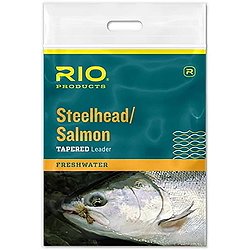
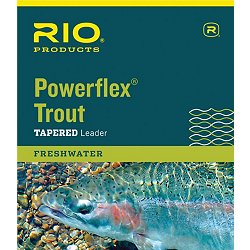
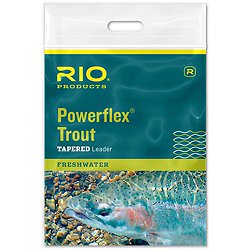
Beginners in fly fishing typically need a few essential pieces of gear to get started. A fly rod and reel combo is fundamental, as it provides the necessary equipment for casting and retrieving. Additionally, a selection of flies suited for local waters, along with a fly line and leader, are important for effective fishing. Lastly, accessories such as a tackle box, waders, and a net can enhance the overall experience and make it easier to manage gear while on the water.
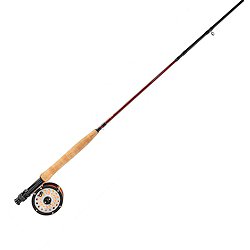
When choosing a fly fishing rod and reel for a beginner, consider the rod's length and weight, as these factors influence casting ease and control. A medium-action rod is often recommended for beginners, as it provides a good balance of flexibility and strength. Additionally, select a reel that matches the rod's weight class to ensure compatibility and smooth operation. It's also helpful to look for beginner-friendly kits that include both the rod and reel, simplifying the selection process.
Beginners can practice fly fishing in a variety of locations that offer calm waters and abundant fish populations. Local ponds, lakes, and slow-moving rivers are ideal, as they provide a more manageable environment for learning casting techniques and understanding fish behavior. Many state parks and nature reserves also have designated fishing areas that are beginner-friendly. Additionally, some areas may offer guided experiences, which can be beneficial for those just starting out.
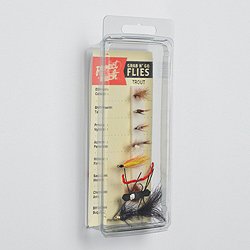
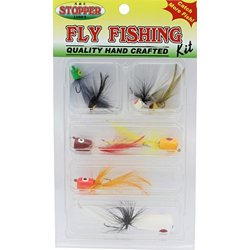
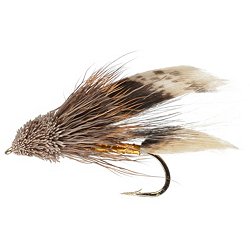
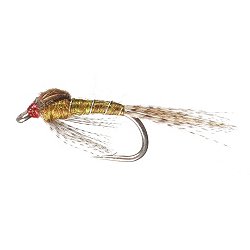
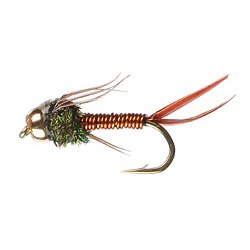
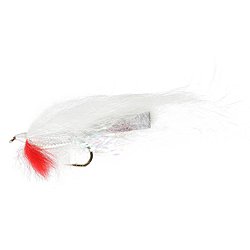
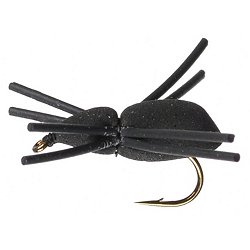
Beginners in fly fishing are often recommended to start with a selection of dry flies, nymphs, and streamers. Dry flies mimic insects that float on the water's surface, while nymphs represent the underwater life that fish feed on. Streamers imitate larger prey, such as minnows or leeches. This variety allows beginners to adapt to different fishing conditions and target various fish species effectively.
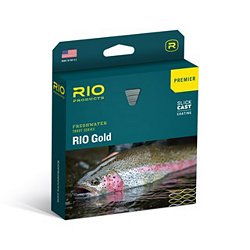
The weight of a fly line is crucial for beginners as it influences casting distance and accuracy. Lighter lines are generally easier to handle and allow for more delicate presentations, making them suitable for smaller fish and calm waters. Conversely, heavier lines can help cast larger flies and reach greater distances, which may be beneficial in windy conditions or when targeting larger species. Understanding the appropriate line weight for specific fishing scenarios can enhance the overall experience for novice anglers.
Beginners in fly fishing often make several common mistakes that can hinder their experience. One frequent error is not paying attention to the casting technique, which can lead to tangles and ineffective presentations. Additionally, many newcomers overlook the importance of matching the fly to the local fish species and their feeding habits. Lastly, beginners may neglect to consider the weather and water conditions, which can significantly impact fishing success.
Freshwater fly fishing typically takes place in rivers, lakes, and streams, targeting species like trout and bass, while saltwater fly fishing occurs in oceans or coastal areas, focusing on fish such as tarpon and bonefish. The primary difference lies in the environment and the types of fish being pursued, which also influences the gear and techniques used. Freshwater setups often require lighter lines and smaller flies, whereas saltwater gear is generally more robust to handle larger fish and harsher conditions. Beginners should consider these factors when choosing which type of fly fishing to start with.
Beginners can improve their casting technique in fly fishing by focusing on the fundamentals of their stance, grip, and motion. Practicing the basic casting stroke in a controlled environment, such as a park or backyard, can help develop muscle memory. Additionally, watching instructional videos or seeking guidance from experienced anglers can provide valuable tips and feedback. Regular practice and patience are key to mastering the art of fly casting.
Seasonal considerations for beginners in fly fishing include understanding the behavior of fish and their feeding patterns, which can vary throughout the year. In spring, fish are often more active as they emerge from winter, making it a great time to start. Summer can offer excellent fishing opportunities, but it's important to consider water temperatures and fish activity during the heat of the day. Fall is another productive season as fish prepare for winter, while winter fishing can be challenging but rewarding for those willing to brave the cold.
Continue browsing



 (33)