â
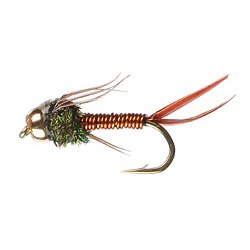
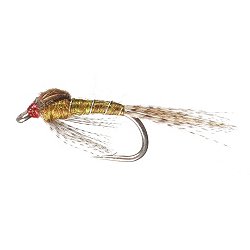
Explore our premium selection of stonefly nymph flies, designed to enhance your fly fishing experience. Crafted with attention to detail, these nymphs mimic the natural movement and appearance of stoneflies, making them irresistible to fish. Featuring durable materials and realistic patterns, our collection ensures you’re well-equipped for any fishing adventure. Whether you’re a seasoned angler or just starting out, these versatile flies are essential for attracting a variety of species. Elevate your tackle box with our expertly crafted stonefly nymph flies today!
 (7)

$5.49
Restocked my fly pack for some early morning fishing and proved to be of good quality and weight. ... A classic
5
LBP33
Restocked my fly pack for some early morning fishing and proved to be of good quality and weight.

$5.49
Good use………………………………………………………………..
5
Nemoxx
Good use……………………………………………………………….. …………………………………………
$5.49
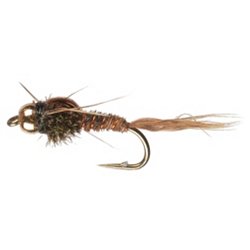
Very happy with this
5
flyfissherjohn
Very happy with this fly. It is well tied and fishes well.
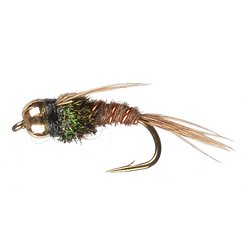
$5.49
I like to use the nymph green and gold. ... Decent selection ... Have the most luck for trout with these. ... Quality and price were very
5
Jdfh
I bought a selection of fly fishing baits. Quality and price were very good
5
jaycenmichael
Bought these for fly fishing. I like to use the nymph green and gold. Have the most luck for trout with these.

$19.99
Good quality ... They seem to be a good
4
Fishy fish
I bought these a month ago and haven ’ t had a chance to try them yet. They seem to be a good quality
A stonefly nymph fly is a type of artificial fly designed to imitate the immature stage of stoneflies, which are common aquatic insects. These flies are typically used in fly fishing to target freshwater species, as they mimic the natural food source for fish during specific seasons. Anglers often use stonefly nymphs in various water conditions, employing techniques such as dead drifting or swinging to entice fish. The realistic design and movement of these flies can effectively attract fish, making them a popular choice among fly fishermen.
When selecting a stonefly nymph fly, consider the size and weight, as these factors can affect how the fly sinks and moves in the water. Look for realistic patterns that mimic the natural appearance of stonefly nymphs, including color and texture. Additionally, features like rubber legs can enhance movement and attract fish. Finally, ensure the hook is durable and sharp for effective hook sets.
Stonefly nymph flies are designed to mimic the aquatic larvae of stoneflies, which are typically larger and have a distinct body shape compared to other nymphs. They often feature prominent legs and a more robust profile, reflecting the natural characteristics of stonefly nymphs. These flies are particularly effective in fast-moving waters where stoneflies are commonly found, making them a popular choice for anglers targeting specific fish species. In contrast, other nymph flies may imitate different aquatic insects and can vary in size, shape, and color to match their respective prey.
Stonefly nymph flies are typically made from a variety of materials that mimic the natural appearance and movement of real stonefly nymphs. Common materials include synthetic fibers, feathers, and fur for the body, while wire or beads may be used for added weight and realism. Additionally, rubber legs are often incorporated to enhance the fly's action in the water. These materials work together to create an effective imitation that attracts fish.
Stonefly nymph flies are most effective in cold, clear waters, particularly during the spring and fall when stoneflies are active. They thrive in fast-moving streams and rivers, where the current helps mimic the natural habitat of these nymphs. Anglers often find success using them in areas with rocky bottoms or near aquatic vegetation, as these locations provide shelter for the nymphs. Additionally, fishing during overcast days or in the early morning and late evening can enhance their effectiveness, as fish are more likely to be feeding during these times.
Choosing the right size of stonefly nymph fly depends on several factors, including the type of water you are fishing in and the specific species of fish you are targeting. Generally, larger sizes are effective in fast-moving waters, while smaller sizes may work better in slower streams or during specific hatches. It's also helpful to consider the time of year and local insect activity, as these can influence the size and type of nymphs that fish are feeding on. Experimenting with different sizes can help you determine what works best for your fishing conditions.
Stonefly nymph flies are particularly effective in cold, clear water environments, such as rivers and streams with strong currents. They thrive in areas with rocky substrates, as these habitats provide shelter and food sources for the nymphs. Additionally, these flies can be used in both fast-moving and slower sections of water, making them versatile for various aquatic conditions. Anglers often find success using them in freshwater settings where stoneflies are naturally present.
To cast stonefly nymph flies effectively, anglers often use techniques such as roll casting and high-sticking. These methods help maintain a natural drift and keep the fly in the strike zone longer. It's also important to pay attention to the water's current and adjust your casting angle accordingly to ensure the fly sinks properly. Practicing a smooth, controlled cast will enhance accuracy and presentation, increasing the chances of attracting fish.
Stonefly nymph flies are popular among anglers due to their realistic design and effectiveness in mimicking the natural prey of many freshwater fish. These flies are often used in various fishing conditions, particularly in rivers and streams where stoneflies are prevalent. Their durable materials and lifelike movement in the water make them an appealing option for attracting fish. Additionally, they can be fished at different depths, making them versatile for various fishing techniques.
Continue browsing