â
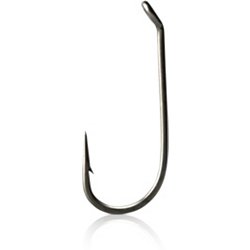
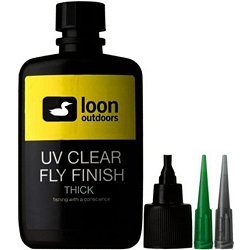
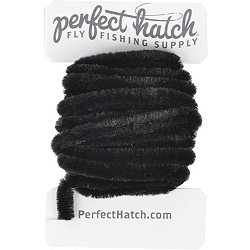
Explore our extensive range of fly making supplies, designed for both novice and experienced fly tiers. Our collection features high-quality materials, including vibrant yarns and durable hooks, ensuring your flies are both effective and visually appealing. With essential tools like precision vises and UV finishes, you can craft intricate designs with ease. Whether you're creating patterns for freshwater or saltwater fishing, our supplies provide the reliability and performance you need. Elevate your fly tying experience and catch more fish with our premium selection of fly making essentials.
 (7)
Common materials used in fly making supplies include synthetic fibers, natural feathers, and fur, which are often chosen for their ability to mimic the appearance and movement of aquatic life. Additionally, various types of threads and wires are utilized to secure components and add weight or durability to the flies. Other materials, such as beads and eyes, can enhance the visual appeal and effectiveness of the flies in attracting fish. These supplies allow for a wide range of creativity and customization in fly tying.
When choosing fly making supplies, consider the type of fish you are targeting and the specific fishing conditions you will encounter. Different materials and tools are suited for creating various fly patterns, so think about the size, color, and style of flies that are effective in your chosen environment. Additionally, assess your skill level and the complexity of the flies you wish to tie, as some supplies may be more suitable for beginners while others cater to advanced techniques. Finally, ensure you have a good selection of hooks, threads, and other materials to create a diverse range of flies for different situations.
To get started with fly making, you'll need a few essential tools. A fly tying vise is crucial for securely holding the hook while you work on your fly. Additionally, various tying materials such as yarn, feathers, and hooks are necessary to create different fly patterns. Other helpful tools include scissors for trimming, a bobbin for holding thread, and a whip finisher for securing the thread at the end of your fly.
Yes, there are specific fly making supplies tailored for different types of fish. Various materials and patterns are designed to mimic the natural prey of specific species, such as nymphs, streamers, or dry flies. Additionally, the choice of hooks, yarns, and other tying materials can vary based on the fishing environment and the targeted fish's feeding habits. Understanding the preferences of the fish you are targeting can help you select the most effective supplies for your fly-making needs.
When selecting quality fly making supplies, consider the materials' durability and ease of use, as these factors can impact your tying experience. Look for versatile tying materials that can mimic various aquatic life forms, as well as tools that provide precision and stability during the tying process. Additionally, ensure that the hooks and other components are corrosion-resistant to withstand exposure to water. A good variety of colors and textures can also enhance your ability to create effective and visually appealing flies.
Different materials used in fly making can significantly influence the performance of flies in various ways. For instance, the buoyancy and weight of materials can affect how a fly floats or sinks in the water, impacting its visibility to fish. Additionally, the texture and color of materials can enhance the realism of the fly, making it more appealing to fish. Ultimately, selecting the right combination of materials can help anglers create effective flies tailored to specific fishing conditions and target species.
Yes, many fly making supplies can be used for both freshwater and saltwater fishing. The materials and hooks you choose will depend on the specific type of fish you are targeting and the conditions you are fishing in. It's important to select durable materials that can withstand the harsher environments often found in saltwater. Additionally, consider the size and style of the flies you create to ensure they are effective in both settings.
Fly tying materials vary in type, texture, and purpose, each contributing to the overall effectiveness of the fly. Some materials are designed to mimic the appearance and movement of aquatic life, while others provide structural support or enhance visibility in the water. Common categories include synthetic fibers, natural materials, and specialized components like hooks and eyes, each offering unique attributes for different fishing conditions. Understanding these differences can help anglers create more effective and tailored flies for their specific fishing needs.
To determine the right size of hooks and other components for your flies, consider the type of fish you are targeting and the specific patterns you plan to tie. Different species may require different hook sizes, so researching the preferred bait or flies for your target fish can be helpful. Additionally, pay attention to the scale of the materials you are using, as they should complement the hook size to create a balanced and effective fly. Experimenting with various sizes can also help you find what works best in your local fishing conditions.
Continue browsing