â
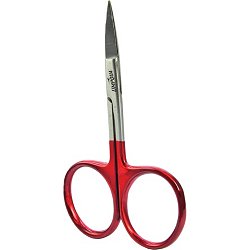
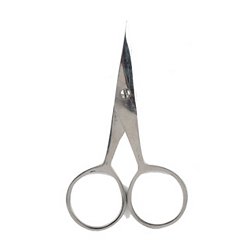
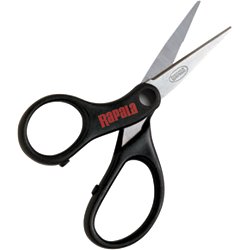
Discover the essential tools for your fly tying needs with our premium selection of fly tying scissors. Designed for precision and ease of use, these scissors feature sharp blades and ergonomic handles, ensuring clean cuts every time. Whether you need straight, curved, or specialty designs, our collection offers versatility for all your crafting tasks. Lightweight and durable, these scissors are perfect for both beginners and seasoned fly tyers. Elevate your fly tying experience with tools that enhance your creativity and efficiency on the water.

$19.49
WAS: $19.99*
Good clamping power and precise cuts from the scissors. ... A winner. ... Well made, attractive and
4
Streamside
Well made, attractive and useful. Good clamping power and precise cuts from the scissors. A winner.

$19.99
Way better than the pair that came with my starter kit ... Good
5
mrwindup_bird
Way better than the pair that came with my starter kit

$9.99
Scissors are very well made and work extremely well. ... Works Great for lose threads ... Priced right as
5
BigDaddy25
Scissors are very well made and work extremely well. Priced right as well!

$34.99
I 've only used them for trying flies for the last few weeks but they seem like they 'll keep their sharpness for a long time. ... Very Sharp! ... [ Excellent scissors, very
5
Tpain13
[ Excellent scissors, very sharp! I 've only used them for trying flies for the last few weeks but they seem like they 'll keep their sharpness for a long time.
When selecting fly tying scissors, consider the blade type and length, as these can affect precision and control during the tying process. Look for scissors with fine tips for detailed work and serrated edges for gripping materials securely. Additionally, ergonomic handles can enhance comfort during extended use, while lightweight designs can improve maneuverability. Finally, durability is important, so choose scissors made from high-quality materials that can withstand frequent use.
When choosing the right size of fly tying scissors, consider the type of flies you plan to tie and the level of precision required. Smaller scissors are ideal for intricate work and detailed cuts, while larger scissors can handle bulkier materials and provide more leverage. Additionally, look for scissors with comfortable grips that suit your hand size, as this can enhance your control and reduce fatigue during extended use. Ultimately, selecting a size that feels comfortable and meets your specific tying needs will improve your overall experience.
Fly tying scissors are typically made from stainless steel, which offers durability and resistance to corrosion. Some models may feature ergonomic handles made from plastic or rubber for improved grip and comfort during use. Additionally, certain scissors may have specialized coatings to enhance cutting performance and reduce friction. These materials contribute to the overall functionality and longevity of the scissors in various fly tying applications.
Yes, there are specific styles of fly tying scissors that can be more suitable for different types of flies. For instance, scissors with fine tips are ideal for precision cutting and detail work on smaller flies, while larger, serrated scissors can handle thicker materials used in larger patterns. Additionally, some scissors feature specialized blades designed for cutting through specific materials, making them more effective for certain tying techniques. Choosing the right style can enhance your fly tying experience and improve the overall quality of your flies.
Fly tying scissors are specifically designed for the intricate tasks involved in fly tying, featuring finer tips and sharper blades to allow for precise cutting of small materials like thread, feathers, and fur. They often have a shorter length and a more ergonomic design, making them easier to maneuver in tight spaces. Additionally, many fly tying scissors include specialized features such as serrated edges or a built-in hook eye cleaner, which are not typically found in regular scissors. This makes them more suitable for the detailed work required in creating flies for fishing.
Having a sharp blade on fly tying scissors is essential for achieving clean and precise cuts, which is crucial when working with delicate materials like feathers and threads. A sharp blade allows for better control and accuracy, helping to create more professional-looking flies. Additionally, sharp scissors reduce the risk of fraying materials, ensuring that your fly remains intact and functional during use. Overall, maintaining sharp blades enhances the efficiency and quality of the fly tying process.
Fly tying scissors are designed with precision and sharpness, making them suitable for various crafting purposes beyond fly tying. Their fine tips and specialized cutting edges allow for detailed work, such as cutting threads, fabrics, or small materials in other craft projects. Many crafters appreciate the control and accuracy these scissors provide, making them a versatile tool in any crafting toolkit. However, it's important to consider the specific design features of the scissors to ensure they meet the needs of your particular crafting tasks.
Ergonomic fly tying scissors are designed to enhance comfort and reduce strain during use, making them ideal for extended tying sessions. Their shape and grip allow for better control and precision, which can improve the quality of your fly creations. Additionally, many ergonomic models feature lightweight materials that help minimize fatigue, allowing for a more enjoyable tying experience. Overall, these scissors can contribute to improved efficiency and accuracy in your fly tying projects.
When choosing fly tying scissors, consider your skill level and the specific tasks you will be performing. Beginners may benefit from scissors that offer a balance of ease of use and versatility, while more experienced tiers might prefer precision scissors designed for intricate work. Look for features such as blade sharpness, handle comfort, and size to match your tying style. Ultimately, selecting scissors that feel comfortable in your hand and suit your tying techniques will enhance your overall experience.
To keep fly tying scissors in good condition, it is important to regularly clean them after use. Wipe the blades with a soft cloth to remove any debris or residue from materials used during tying. Additionally, periodically check the tension of the pivot screw to ensure smooth operation, and apply a light lubricant to the pivot area if necessary. Storing the scissors in a protective case or pouch can also help prevent damage and maintain their sharpness.
Continue browsing