â
Enhance your fly tying projects with our premium fly tying lead wire selection. Designed for versatility and ease of use, this essential material adds weight and stability to your flies, ensuring they sink effectively in the water. Available in various gauges and colors, our lead wire allows for precise customization to match your fishing needs. Whether you're a beginner or an experienced tier, you'll appreciate the quality and reliability of our fly tying lead wire, making it a must-have for your tackle box.
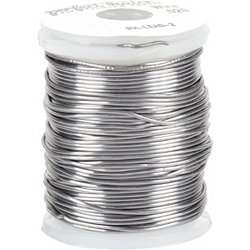
$4.99
The advantage of the wire is being able to remove it when the water temperature
Fly tying lead wire is commonly used in fly fishing to add weight to flies, helping them sink more quickly in the water. This wire can be wrapped around the hook shank to create a more streamlined profile and improve the fly's casting distance. Additionally, it can be used to create a more realistic appearance by mimicking the body shape of certain aquatic insects. Overall, it enhances the effectiveness of the fly in various fishing conditions.
The weight of fly tying lead wire plays a crucial role in the performance of a fly by influencing its sink rate and overall balance in the water. Heavier wire can help the fly sink more quickly, making it effective for imitating certain aquatic insects or baitfish. Conversely, lighter wire allows for a slower sink rate, which can be beneficial for surface or subsurface presentations. Adjusting the weight of the lead wire can help anglers achieve the desired action and depth for their specific fishing conditions.
Fly tying lead wire is available in various types, including different thicknesses and materials. Common options include soft lead wire, which is easy to manipulate, and lead-free alternatives that offer similar weight without the use of lead. Additionally, you can find lead wire in spooled formats for convenience, allowing for easy application during the fly tying process. The choice of wire type often depends on the specific needs of the fly pattern being created.
Choosing the right thickness of lead wire for fly tying projects depends on the size and type of flies you are creating. Thicker wire is often used for larger flies to provide more weight, while thinner wire is suitable for smaller patterns where a lighter touch is needed. Consider the overall balance and sink rate you want to achieve, as well as the materials you are using in your fly design. Experimenting with different thicknesses can help you find the right fit for your specific tying style and project requirements.
Yes, fly tying lead wire can be used with various fly patterns to add weight and improve the sink rate of the flies. It is versatile and can be incorporated into both freshwater and saltwater patterns. Many fly tiers use lead wire to create a more realistic profile and enhance the overall effectiveness of their flies. Its adaptability makes it a popular choice for different styles and techniques in fly tying.
Fly tying lead wire is typically made from materials such as lead, which provides weight to the flies, and can also be found in non-toxic alternatives like tungsten or brass. These materials are chosen for their density and ability to sink quickly in water, making them effective for various fly patterns. The wire is often available in different gauges, allowing for versatility in tying techniques and styles. Additionally, some lead wire may be coated or colored to enhance the appearance of the finished fly.
The color of fly tying lead wire can significantly influence the overall appearance of a fly. Different colors can mimic various natural elements found in aquatic environments, helping to create a more realistic representation of prey. Additionally, the color can affect visibility in the water, making the fly more attractive to fish under certain conditions. By selecting the appropriate color, anglers can enhance the effectiveness of their flies in different fishing scenarios.
Fly tying lead wire is versatile and can be used for both freshwater and saltwater flies. It is commonly utilized to add weight to flies, helping them sink more effectively in various water conditions. Many anglers appreciate its ability to enhance the performance of their flies, regardless of the fishing environment. When selecting lead wire, consider the specific needs of your fly patterns and the type of water you will be fishing in.
Using lead wire in fly tying offers several advantages, particularly in terms of weight and density. It allows for precise control over the sink rate of flies, making it easier to achieve the desired depth in the water. Additionally, lead wire can be easily shaped and wrapped around hooks, providing versatility in creating various fly patterns. Its malleability also enables fly tiers to customize the weight distribution, enhancing the overall effectiveness of the fly.
To maintain the quality of fly tying lead wire, store it in a cool, dry place away from direct sunlight and moisture. Keeping the wire in its original packaging or a dedicated container can help prevent tangling and damage. Additionally, ensure that the storage area is free from extreme temperatures, as fluctuations can affect the wire's integrity. Regularly check the wire for any signs of corrosion or wear to ensure it remains in good condition for your tying projects.
Continue browsing