â
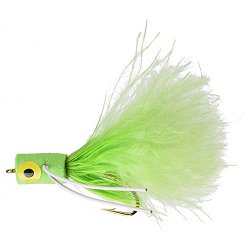
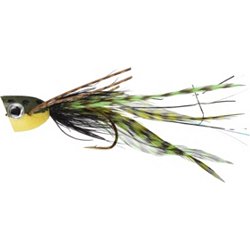
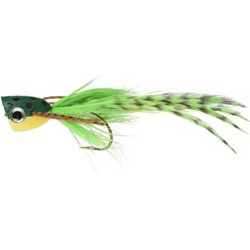
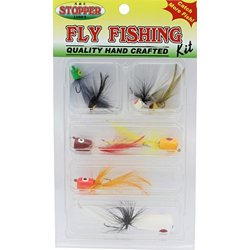
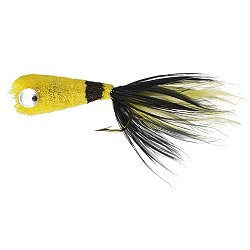
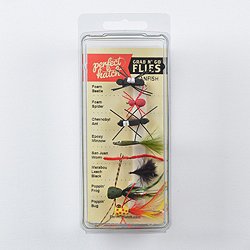
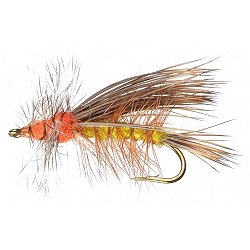
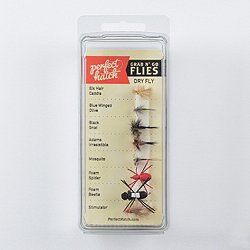
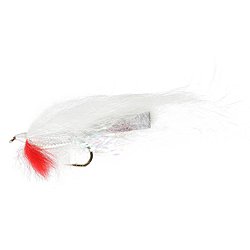
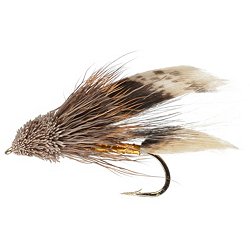
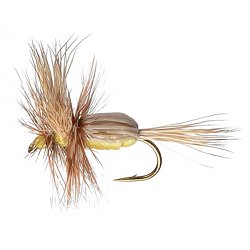
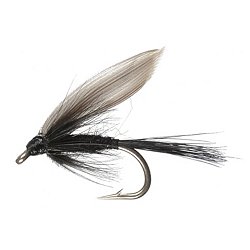
Explore our collection of panfish popper flies, designed to attract and entice your favorite freshwater species. These expertly crafted flies feature vibrant colors and realistic designs, ensuring maximum visibility and appeal on the water. Ideal for both novice and experienced anglers, our popper flies provide excellent buoyancy and action, making them perfect for surface fishing. With a variety of styles and sizes available, you can easily find the right fly to enhance your fishing experience. Get ready to reel in the catch of the day with our top-quality panfish popper flies!
A panfish popper fly is a type of artificial fly designed to mimic the appearance and movement of small prey on the water's surface, attracting species like bluegill, crappie, and perch. These flies typically feature a buoyant body and a prominent head that creates a popping sound when retrieved, simulating the action of a distressed insect or small fish. Anglers use panfish popper flies by casting them onto calm waters and employing a series of short, quick retrieves to create enticing surface disturbances. This technique can be particularly effective during warmer months when panfish are actively feeding near the surface.
Panfish popper flies are primarily used to catch species such as bluegill, crappie, and perch. These flies are designed to create surface disturbances that attract these fish, making them an effective choice for anglers targeting smaller freshwater species. The buoyant design and vibrant colors of popper flies mimic the movement of insects and other prey, enhancing their appeal to panfish. Many anglers enjoy using these flies during warmer months when panfish are more active near the water's surface.
When selecting a quality panfish popper fly, consider the materials used in its construction, as durable and buoyant materials can enhance performance on the water. Look for a design that mimics the natural prey of panfish, featuring bright colors and realistic details to attract attention. Additionally, a well-constructed popper should have a sturdy hook to ensure secure catches and a shape that creates effective surface disturbance. Finally, consider the size of the fly, as it should be appropriate for the specific type of panfish you are targeting.
When choosing the right size of a panfish popper fly, consider the species of fish you are targeting and the water conditions. Smaller poppers are often effective for panfish like bluegill and crappie, especially in calm waters or when fish are feeding on smaller insects. In contrast, larger poppers may be more suitable for larger panfish or in situations where you need to attract attention in choppy waters. Additionally, think about the time of year and the size of the baitfish present, as these factors can influence the effectiveness of your fly choice.
Panfish popper flies are typically constructed using a variety of materials that enhance their buoyancy and visibility in the water. Common materials include synthetic fibers, deer hair, and foam, which help create a realistic appearance and allow the fly to float effectively. Additionally, hooks made from durable metals are used to ensure strength and reliability during fishing. These materials work together to attract panfish by mimicking the movement and look of prey.
Yes, there are specific techniques for casting and retrieving panfish popper flies that can enhance your fishing experience. When casting, aim for areas with cover, such as lily pads or fallen trees, as panfish often hide there. For retrieval, use a series of short, quick strips followed by pauses to mimic the movement of prey, which can entice panfish to strike. Experimenting with different retrieval speeds and patterns can help you find what works best for the conditions and the fish.
Popper flies are particularly effective for panfish due to their ability to create surface disturbances that attract attention. The popping action mimics the movement of prey, making them enticing for fish that feed near the water's surface. Additionally, popper flies are often brightly colored, which enhances visibility in various water conditions. This combination of sound, movement, and color can lead to increased strikes from panfish compared to other types of flies.
Panfish popper flies are versatile and can be effective in various water conditions and seasons. They are designed to create surface disturbances that attract panfish, making them suitable for both calm and slightly choppy waters. During warmer months, these flies can be particularly effective in shallow areas where panfish are feeding. In cooler seasons, they can still be used, but it may be beneficial to adjust the retrieve speed and presentation to match the fish's activity level.
When selecting colors and patterns for panfish popper flies, consider the water conditions and the natural prey in the area. Bright colors can be effective in murky water, while more natural hues may work better in clear conditions. Additionally, patterns that mimic local insects or baitfish can increase your chances of attracting panfish. Experimenting with different styles can help you determine what works best in your fishing environment.
Continue browsing