â
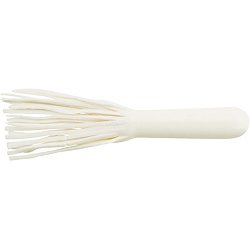
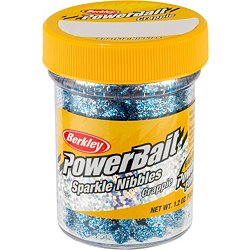
Enhance your trout fishing experience with our premium selection of soft baits and dough baits designed to attract and entice. Featuring a variety of textures and scents, these baits are engineered to mimic natural food sources, ensuring you reel in more catches. Whether you prefer floating options or dough formulations, our products provide exceptional durability and effectiveness in various fishing conditions. Elevate your fishing game with baits that are easy to use and proven to attract trout, making every outing a successful adventure.
To achieve optimal results when using trout fishing bait, it's important to consider the presentation and technique. Start by selecting the right bait type based on the fishing conditions and trout preferences. Use a light fishing line and a sensitive rod to detect subtle bites. Additionally, varying your retrieval speed and depth can help entice more strikes, as trout may respond differently depending on the time of day and water temperature.
Trout bait is suitable for a variety of fishing environments, including freshwater lakes, rivers, and streams where trout are commonly found. These environments often feature calm waters, moving currents, or areas with structure such as rocks and vegetation. Additionally, fishing in cooler water temperatures can enhance the effectiveness of trout bait, as trout are more active in these conditions. Anglers can also benefit from using trout bait in stocked ponds, where trout are regularly introduced for recreational fishing.
The scent of trout bait plays a crucial role in attracting fish, as it can stimulate their sense of smell and encourage them to bite. Many anglers find that baits infused with specific scents can enhance their chances of success by mimicking the natural food sources that trout are drawn to. Additionally, the scent can linger in the water, creating a trail that helps guide fish to the bait. Overall, using scented bait can be an effective strategy for improving your fishing experience.
When selecting effective trout fishing bait, consider factors such as scent, texture, and color. Baits that emit strong scents can attract trout from a distance, while a soft texture can enhance the bait's appeal and mimic natural food sources. Additionally, vibrant colors can help the bait stand out in various water conditions, increasing visibility to fish. It's also beneficial to choose baits that are easy to use and can be presented in different ways to adapt to the fishing environment.
Yes, there are specific techniques for using dough bait and soft bait when trout fishing. Dough bait is often molded onto a hook and can be fished on the bottom or suspended in the water column, making it effective for attracting trout in various conditions. In contrast, soft bait can be rigged on a hook or used with a jig head, allowing for more versatile presentations such as drifting or retrieving. Experimenting with both types can help determine which method works best for the specific fishing environment.
When choosing trout bait for different seasons, consider water temperature, fish behavior, and food availability. In colder months, trout may prefer more substantial baits that mimic the slower-moving prey they encounter. As temperatures rise, lighter and more active baits can be effective, as trout become more active and aggressive. Additionally, seasonal changes in insect hatches and natural food sources can influence the type of bait that will attract trout effectively.
Different colors of trout bait can significantly influence fish attraction by mimicking the natural prey that trout are accustomed to. Bright colors may stand out in murky water, drawing attention, while more natural hues can be effective in clear conditions, blending in with the environment. Additionally, certain colors can trigger specific feeding responses based on the time of day and water conditions. Experimenting with various colors can help anglers determine what works best for their local fishing spots.
Floating bait offers several advantages over traditional bait when fishing for trout. It can stay suspended in the water column, making it more visible and accessible to fish, especially in deeper waters. Additionally, floating bait often has a unique texture and scent that can attract trout more effectively, encouraging them to bite. This type of bait can also be easier to use, as it reduces the chances of snagging on the bottom or other underwater obstacles.
The right amount of bait to use when trout fishing can depend on several factors, including the type of bait, the fishing technique, and the specific conditions of the water. Generally, using a small amount of bait is effective, as trout are often attracted to subtle presentations. It's advisable to start with a modest amount and adjust based on the fish's response. Observing how the trout react can help you fine-tune the quantity for optimal results.
When using trout fishing bait, it's important to avoid overloading your hook, as this can hinder the bait's natural movement and reduce its effectiveness. Additionally, using stale or old bait can lead to poor results, so always ensure your bait is fresh. Another common mistake is not matching the bait to the local trout's feeding habits or preferences, which can vary by season and location. Lastly, be mindful of your casting technique; a gentle presentation can often yield better results than a forceful cast.
Continue browsing



 (8)