â
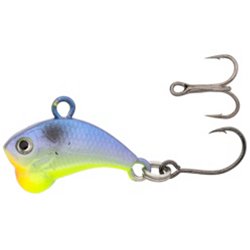
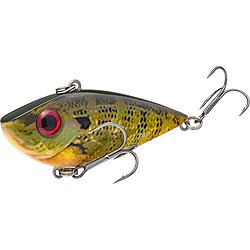
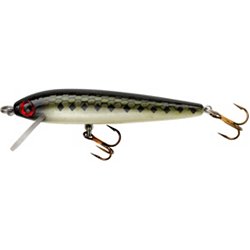
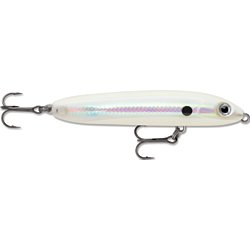
Unlock your bass fishing potential with our premium selection of crankbaits designed specifically for bass. These lures feature realistic finishes and enticing action to mimic the movement of baitfish, attracting hungry bass with ease. Crafted for versatility, our crankbaits come in various sizes and diving depths, ensuring you can target bass in any water condition. Whether you're fishing in shallow waters or deeper lakes, these essential tools will enhance your fishing experience and increase your chances of landing that trophy catch. Get ready to reel in success with our top-quality crankbaits!
A crankbait is a type of fishing lure designed to mimic the movement and appearance of baitfish, making it an effective choice for attracting bass. These lures are typically made from hard materials and come in various shapes, sizes, and colors to match the local forage. Anglers use crankbaits by casting them out and retrieving them at varying speeds, often incorporating pauses or jerks to create an enticing action that triggers strikes from bass. They are particularly useful in different water depths, allowing anglers to target bass in various habitats.
When selecting a crankbait for bass fishing, consider the size, shape, and diving depth of the lure. Look for features such as a realistic finish and color patterns that mimic local baitfish, as these can attract more strikes. Additionally, the action of the crankbait, whether it has a tight wobble or a wider action, can influence its effectiveness in different water conditions. Finally, consider the material and construction, as durable options can withstand repeated use in various environments.
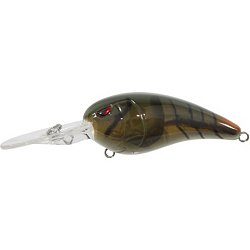
Different shapes and sizes of crankbaits can significantly influence bass fishing success by mimicking various prey and adapting to different water conditions. Larger crankbaits often create more disturbance and can attract bigger bass, while smaller ones may be more effective in clear water or when bass are feeding on smaller baitfish. Additionally, the shape of the crankbait affects its diving depth and action, allowing anglers to target bass at different levels in the water column. Understanding these variations helps anglers select the right crankbait for specific fishing scenarios.
Crankbaits for bass fishing are typically made from a variety of materials designed to enhance their performance in the water. Common materials include durable plastics, which allow for intricate designs and lifelike finishes, and wood, which can provide a unique buoyancy and sound. Many crankbaits also feature metal components, such as hooks and internal weights, to improve casting distance and stability. The combination of these materials helps create effective lures that mimic the movement and appearance of prey.
Crankbaits are effective in a variety of water conditions when targeting bass. They work well in both clear and stained waters, as their movement and vibration can attract fish. Ideal conditions include areas with structure, such as submerged rocks or vegetation, where bass are likely to hide. Additionally, using crankbaits during overcast days or low-light conditions can enhance their effectiveness, as bass may be more active and willing to strike.
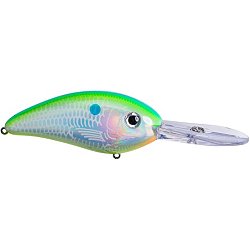
The colors and patterns of crankbaits play a crucial role in attracting bass by mimicking the appearance of natural prey. Bright and vibrant colors can be effective in murky waters or low-light conditions, while more natural hues often work better in clear water. Additionally, patterns that resemble local baitfish can enhance the realism of the lure, making it more appealing to bass. Understanding the environment and the typical forage in the area can help anglers select the most effective crankbait colors and patterns.
Crankbaits can be effective for bass fishing during various times of the year, but they are particularly popular in the spring and fall. In spring, as water temperatures rise, bass become more active and move toward shallow areas, making crankbaits a great choice for targeting them. During the fall, bass often feed aggressively to prepare for winter, and crankbaits can mimic the baitfish they are pursuing. Additionally, summer can also be a good time to use crankbaits, especially in deeper waters or during low-light conditions.
To determine the right depth for crankbaits when fishing for bass, consider the water temperature, time of year, and the specific behavior of the bass. Generally, bass tend to be more active and closer to the surface in warmer months, while they may dive deeper in cooler conditions. Additionally, using a depth chart or understanding the diving capabilities of your crankbait can help you match the lure's depth to where the bass are likely to be feeding. Observing underwater structures and adjusting your retrieval speed can also enhance your chances of success.
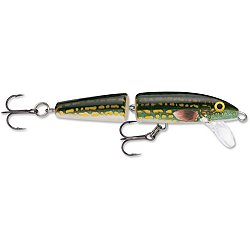
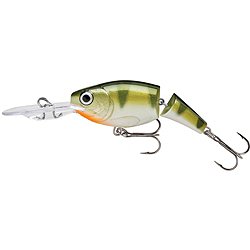
Jointed crankbaits offer a unique swimming action that can mimic the movement of injured prey, making them particularly effective for attracting bass. The segmented design allows for more flexibility in the water, creating a lifelike presentation that can entice fish even in challenging conditions. Additionally, the increased movement can trigger strikes from bass that may be less responsive to standard crankbaits. Many anglers find that jointed crankbaits can be especially useful in colder water or when fish are more lethargic.
Crankbaits are primarily designed for freshwater fishing, particularly for targeting bass in lakes, rivers, and ponds. However, some crankbaits can also be effective in saltwater environments, especially when targeting species that inhabit brackish waters or coastal areas. The key is to choose crankbaits that are specifically designed for saltwater use, as they are built to withstand the harsher conditions and potential corrosion. Always consider the local fishing regulations and species when selecting your tackle.
Continue browsing



 (51)