â
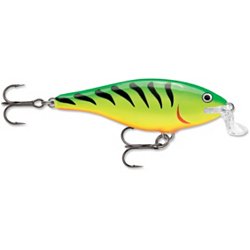
Enhance your bass fishing experience with our premium selection of jerkbaits designed specifically for targeting bass. These lures feature realistic finishes and enticing action that mimic distressed baitfish, making them irresistible to hungry bass. With various sizes and diving depths, you can easily adapt to different fishing conditions and water levels. Crafted for durability and performance, our jerkbaits ensure you stay in the game longer. Elevate your tackle box and increase your chances of landing that trophy bass with our expertly designed jerkbaits.
 (52)
A jerkbait is a type of fishing lure designed to mimic the erratic movement of injured baitfish, making it an effective choice for attracting bass. These lures are typically slender and have a hard body, allowing them to be cast long distances and retrieved with a series of sharp jerks and pauses. This technique can provoke aggressive strikes from bass, especially in cooler water when fish are more likely to chase slower-moving prey. Anglers often use jerkbaits in various water conditions, including clear lakes and rivers, to target both shallow and deeper bass.
When selecting a jerkbait for bass, consider the size and shape, as these can influence how the lure moves through the water. Look for features such as a realistic finish and color patterns that mimic local baitfish, as these can enhance attraction. Additionally, the weight and buoyancy of the jerkbait are important, as they affect the depth at which the lure can be fished and how it reacts to jerking motions. Finally, ensure the jerkbait has quality hooks for better hook-up rates during strikes.
Different sizes of jerkbaits can influence bass fishing success by mimicking various prey sizes and behaviors. Larger jerkbaits may attract bigger bass, while smaller options can be effective for targeting more cautious fish or when the bass are feeding on smaller baitfish. Additionally, the size can affect the depth at which the lure operates, allowing anglers to adapt to varying water conditions and fish activity levels. Experimenting with different sizes can help determine what works best in specific fishing environments.
Jerkbaits for bass are typically made from durable materials such as plastic or wood, which contribute to their buoyancy and action in the water. Many models feature a hard body that allows for a realistic swimming motion, while some may include internal rattles to attract fish. Additionally, the finishes often incorporate vibrant colors and patterns to mimic baitfish, enhancing their effectiveness in various fishing conditions.
When targeting bass with jerkbaits, the best colors and patterns often mimic the local forage in the water. Natural colors like shad, bluegill, or crawfish can be effective, especially in clear water conditions. In murkier waters, brighter colors or patterns with a lot of contrast can help attract attention. Additionally, incorporating colors that reflect the time of day, such as darker shades during low light and brighter hues in sunny conditions, can enhance your chances of success.
The action of a jerkbait plays a crucial role in attracting bass by mimicking the erratic movement of injured prey. A quick, darting motion can trigger a predatory response, making it more appealing to bass. Additionally, the pause-and-retrieve technique allows the bait to suspend in the water, increasing the chances of enticing a strike. Different actions can be tailored to various fishing conditions, enhancing the overall effectiveness of the lure.
Jerkbaits are effective for bass fishing because they mimic the erratic movement of injured baitfish, which can trigger aggressive strikes. Their design allows for versatile retrieval techniques, including pauses and twitches, making them suitable for various water conditions and seasons. Additionally, jerkbaits can be fished at different depths, providing anglers with the ability to target bass in both shallow and deeper waters. This adaptability makes them a popular choice among bass anglers.
Jerkbaits are most effective for catching bass in cooler water temperatures, typically during the spring and fall when fish are more active and feeding aggressively. They work well in clear to slightly stained water, as the erratic action mimics injured baitfish, attracting bass. Additionally, using jerkbaits around structures like rocks, submerged vegetation, or drop-offs can increase your chances of success, as bass often hide in these areas while hunting for prey.
When fishing with jerkbaits for bass, a common technique is the "jerk, pause, retrieve" method. This involves making a series of sharp jerks followed by a pause, allowing the bait to mimic the erratic movement of injured prey. Varying the speed and rhythm of your retrieves can also help trigger strikes, as bass may respond differently depending on their activity level. Additionally, fishing near structures or in areas with cover can increase your chances of attracting bass.
Seasonal changes can significantly influence the effectiveness of jerkbaits for bass fishing. In spring, as water temperatures rise, bass become more active and aggressive, making them more likely to strike at jerkbaits that mimic injured prey. During summer, bass may seek cooler, deeper waters, so using jerkbaits with a slower retrieve can be effective. In fall, as bass prepare for winter, they often feed heavily, and jerkbaits can be used to target schools of baitfish. Winter fishing may require a more subtle approach, with slower presentations to entice less active bass.
Continue browsing