â
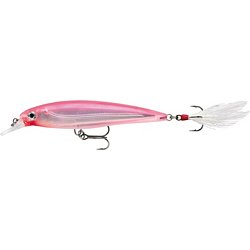
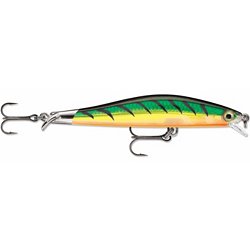
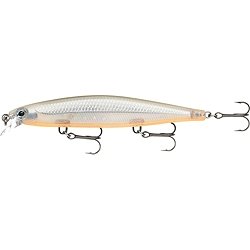
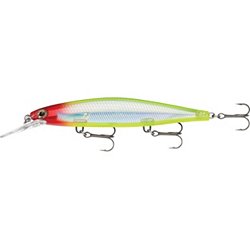
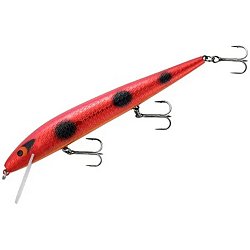
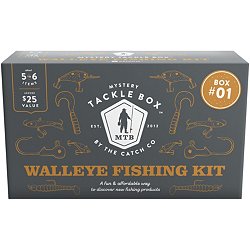
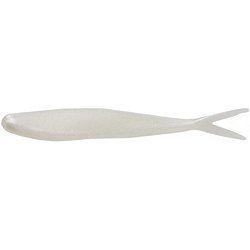
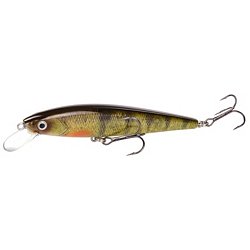
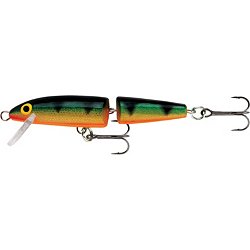
Enhance your walleye fishing experience with our premium selection of jerkbaits designed specifically for targeting these elusive fish. Featuring a variety of sizes and depths, these jerkbaits mimic the erratic movement of injured prey, making them irresistible to walleye. Crafted with durable materials and lifelike finishes, they provide exceptional performance in both freshwater and saltwater environments. Whether you're casting from shore or trolling in deeper waters, our jerkbaits are engineered to help you reel in your next big catch. Elevate your fishing game with these essential tools for walleye anglers.
 (25)
A jerkbait is a type of fishing lure designed to mimic the erratic movement of injured prey, making it particularly effective for attracting walleye. These lures are typically made from hard plastic or soft materials and can be fished at various depths depending on their design. Anglers use a series of sharp, quick jerks followed by pauses to create a lifelike action that entices walleye to strike. This technique can be especially productive in both shallow and deeper waters, depending on the time of year and the fish's feeding habits.
When selecting a jerkbait for walleye, consider the size and shape, as these can influence the lure's action and how it mimics prey. Look for features such as a realistic finish and color patterns that match local forage, as well as a design that allows for effective casting and retrieval. Additionally, the buoyancy and diving depth are important, as they determine how the bait behaves in different water conditions. Finally, consider the material and durability, as these factors can affect the lure's performance over time.
Different sizes of jerkbaits can influence walleye fishing success by mimicking the natural prey available in the water. Larger jerkbaits may attract bigger walleye, especially in areas where larger baitfish are present, while smaller jerkbaits can be effective in targeting more finicky fish or in situations where smaller prey is abundant. Additionally, the size of the jerkbait can affect the depth at which it runs, allowing anglers to target walleye at various depths depending on their feeding patterns. Experimenting with different sizes can help determine what works best for specific conditions and locations.
Jerkbaits for walleye are typically made from durable materials such as plastic or resin, which allow for a realistic appearance and effective movement in the water. Many jerkbaits also feature a variety of finishes, including painted or holographic surfaces, to enhance visibility and attract fish. Additionally, some models may incorporate soft plastic components to mimic the action of live bait. These materials work together to create lures that can effectively entice walleye during various fishing conditions.
When targeting walleye with jerkbaits, colors that mimic local baitfish tend to be effective. Natural hues like silver, gold, and various shades of blue or green can attract walleye, especially in clear water. Additionally, brighter colors such as chartreuse or orange can be useful in murky conditions or low-light situations. Experimenting with different colors based on water clarity and time of day can help improve your chances of success.
The action of a jerkbait plays a crucial role in attracting walleye by mimicking the erratic movements of injured prey. This type of lure typically features a twitching or darting motion that can provoke a predatory response from walleye. The combination of pauses and quick jerks can create a sense of urgency, enticing walleye to strike. Additionally, the color and finish of the jerkbait can enhance visibility and appeal, further increasing its effectiveness in drawing in fish.
Jerkbaits are effective for walleye fishing because they mimic the erratic movement of injured baitfish, which can trigger predatory instincts in walleye. Their design allows for versatile retrieval techniques, enabling anglers to adjust the speed and action to match the fish's activity level. Additionally, jerkbaits can be fished at various depths, making them suitable for different water conditions and seasonal patterns. This adaptability can lead to increased success in catching walleye compared to other lure types.
Jerkbaits are often most effective for catching walleye during the spring and fall seasons. In spring, walleye are typically more active as they move to shallower waters for spawning, making them more likely to strike at jerkbaits. During the fall, walleye feed aggressively in preparation for winter, and jerkbaits can mimic the movement of baitfish, attracting their attention. Additionally, using jerkbaits during low-light conditions, such as early morning or late evening, can enhance your chances of success.
When fishing with jerkbaits for walleye, a common technique is to use a series of sharp, quick jerks followed by pauses to mimic the erratic movement of injured baitfish. Varying the speed and rhythm of your retrieves can help trigger strikes, as walleye often respond to the sudden changes in action. Additionally, fishing in areas with structure or near drop-offs can increase your chances of encountering walleye, as they tend to ambush prey in these locations. Experimenting with different depths and water conditions will also help you find the most effective approach.
Water conditions play a significant role in selecting the right jerkbait for walleye fishing. In clear water, more natural colors and subtle actions tend to be effective, while murky water may call for brighter colors and more pronounced movements to attract attention. Additionally, water temperature can influence walleye behavior; during colder months, slower, more deliberate retrieves may be necessary, whereas warmer conditions might allow for faster, more aggressive presentations. Understanding these factors can help anglers choose jerkbaits that align with the current fishing environment.
Continue browsing