â
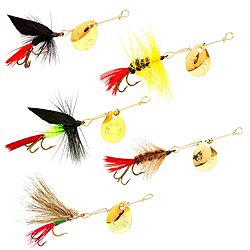
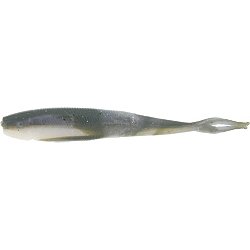
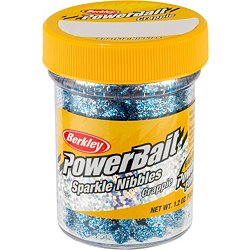
Discover the best bait for trout fishing and enhance your angling experience. Our selection features a variety of effective options designed to attract trout, from dough baits to soft and hard lures. Each bait is crafted to mimic natural food sources, ensuring maximum appeal to hungry fish. Whether you prefer vibrant colors or enticing scents, our range offers something for every fishing enthusiast. Equip yourself with the right bait and increase your chances of landing that trophy trout on your next fishing adventure.
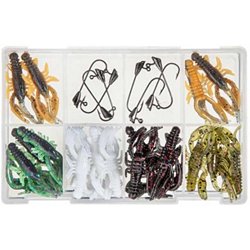
When fishing for trout, various types of bait can be effective, including dough baits, egg baits, and small soft baits. Dough baits are often formulated to attract trout with their scent and texture, while egg baits mimic the natural food sources trout seek. Additionally, using small, colorful soft baits can entice trout due to their movement in the water. Experimenting with different types can help determine what works best in specific fishing conditions.
Choosing the right bait for different trout species involves understanding their feeding habits and preferences. For instance, some species may respond better to natural baits like eggs or worms, while others might be more attracted to artificial options that mimic their natural prey. Additionally, considering the water conditions and the time of year can help you select the most effective bait. Experimenting with various types can also lead to discovering what works best in your specific fishing location.
When selecting bait for trout fishing, consider the type of trout you are targeting and the specific water conditions. Factors such as water temperature, clarity, and the presence of natural food sources can influence trout behavior and feeding patterns. Additionally, the size and color of the bait can play a significant role in attracting trout, as they may respond differently to various presentations. Experimenting with different types of bait can help you determine what works best in your fishing environment.
Yes, there are seasonal preferences for bait when fishing for trout. In spring, natural baits like worms and small minnows tend to be effective as trout are more active after winter. During summer, artificial baits that mimic insects or smaller fish can attract trout, while in fall, using baits that resemble the natural forage available in the water can yield good results. Winter fishing often calls for smaller, more subtle baits, as trout may be less aggressive in colder temperatures.
Using natural bait for trout fishing can be advantageous because it often mimics the trout's natural food sources, making it more appealing to them. Natural baits, such as worms or minnows, can produce a scent that attracts fish from a distance, increasing the chances of a catch. On the other hand, artificial baits are typically designed to be durable and can be easier to handle, allowing for longer fishing sessions without the need for constant re-baiting. Many anglers find that a combination of both types can be effective, depending on the fishing conditions and the preferences of the trout.
Water temperature plays a crucial role in determining the behavior and feeding patterns of trout, which in turn influences bait selection. In cooler water, trout tend to be less active and may prefer more subtle, natural baits that mimic their typical food sources. As temperatures rise, trout become more aggressive and may respond better to brightly colored or more aromatic baits that stand out in the water. Understanding the temperature can help anglers choose the most effective bait to increase their chances of a successful catch.
When fishing for trout, effective techniques for using bait include using a float or bobber to keep the bait suspended at the right depth, which can attract fish. It's also beneficial to vary the retrieval speed, allowing the bait to mimic natural movement, and to use a light line to avoid spooking the fish. Additionally, incorporating scents or flavors can enhance the bait's appeal, making it more enticing to trout. Experimenting with different setups and locations can help determine what works best for your fishing conditions.
Yes, the color of bait can influence trout fishing success. Trout are known to be attracted to specific colors based on water conditions, light levels, and the natural prey available in their environment. Bright colors may work well in murky waters, while more natural hues can be effective in clear conditions. Experimenting with different colors can help anglers determine what attracts trout in a particular location.
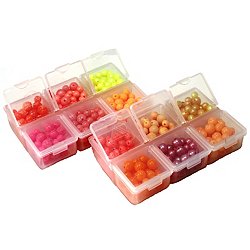
Dough balls and other types of bait for trout each have unique characteristics that can affect fishing success. Dough balls are often soft and can be molded to fit hooks easily, making them versatile for various fishing techniques. In contrast, other bait types, such as eggs or beads, may offer different textures and scents that can attract trout in specific conditions. The choice between these options often depends on the fishing environment, water conditions, and trout feeding behavior.
The size of the bait is an important factor when targeting trout, as it can influence their feeding behavior. Generally, smaller baits tend to be more effective, especially in clear water or when trout are feeding on smaller prey. However, the ideal size can vary based on the specific fishing conditions, such as water temperature and the type of trout being targeted. Experimenting with different sizes can help determine what works best for your fishing situation.
Continue browsing



 (61)