â
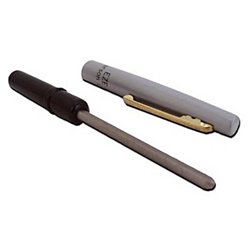
Our Smith's Knife Sharpener sold out quickly! Explore similar styles now!
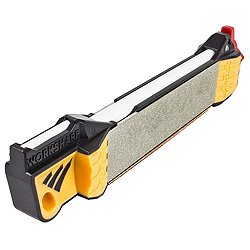
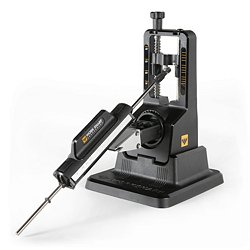
There are various types of knife sharpeners, including manual sharpeners, electric sharpeners, and honing rods. Manual sharpeners often feature multiple stages for different sharpening needs, while electric sharpeners provide quick and consistent results. Honing rods are typically used for maintaining the edge of a knife rather than sharpening it from dull.
Choosing the right knife sharpener depends on several factors, including the type of knives you own, your level of experience, and how often you cook. If you have a variety of knife types, a versatile sharpener with multiple settings may be beneficial. For occasional use, a simple manual sharpener might suffice, while professional chefs may prefer electric options for efficiency.
Knife sharpeners are typically made from materials such as ceramic, diamond, and stainless steel. Ceramic sharpeners are known for their ability to refine edges, while diamond sharpeners offer aggressive sharpening for dull blades. Stainless steel is often used for durability and longevity in manual sharpeners.
The frequency of sharpening your knives depends on how often you use them and the type of cutting tasks you perform. For regular home cooks, sharpening every few months may be sufficient, while professional chefs may need to sharpen their knives weekly or even daily. It's important to maintain the edge to ensure optimal performance and safety.
Not all knife sharpeners are suitable for every type of knife. Some sharpeners are designed specifically for straight-edged knives, while others can accommodate serrated or specialty knives. Always check the manufacturer's guidelines to ensure compatibility with your specific knife types.
When selecting a quality knife sharpener, consider features such as the number of sharpening stages, the materials used, and whether it offers adjustable angles. A non-slip base can enhance safety during use, and portability may be important if you plan to use it in different locations. Additionally, ease of cleaning and maintenance can also be significant factors.
Continue browsing