â
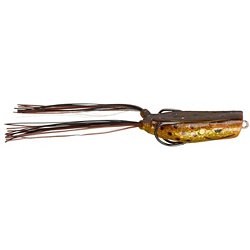
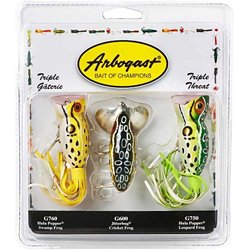
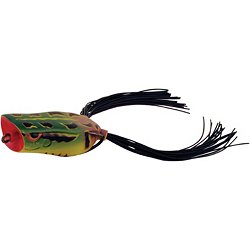
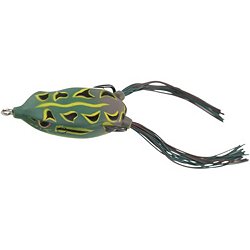
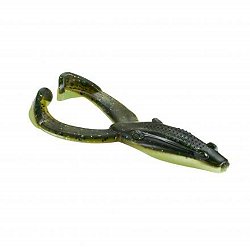
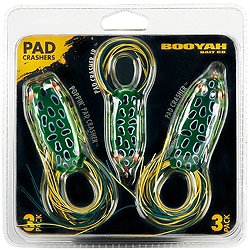
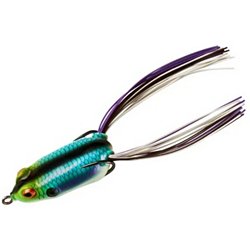
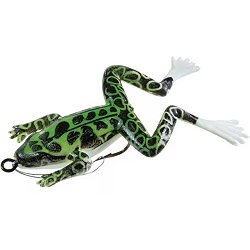
Explore our premium selection of topwater frogs, designed to entice and catch the attention of bass and other freshwater species. These lures feature realistic designs and lifelike movements, mimicking the sound and action of frogs on the water's surface. Crafted with durable materials, they ensure long-lasting performance and resilience against tough conditions. Perfect for both seasoned anglers and beginners, our topwater frogs offer versatility for various fishing techniques. Elevate your fishing game and experience thrilling strikes with these essential lures in your tackle box.
A topwater frog is a type of fishing lure designed to mimic the movement and appearance of frogs on the water's surface. Anglers use these lures to attract predatory fish, particularly in areas with heavy vegetation where fish are likely to ambush their prey. The unique design allows for a realistic presentation, making it effective for catching species like bass.
When selecting a topwater frog, consider features such as the body shape, color patterns, and the type of hooks used. A hollow body design can provide better buoyancy and a more realistic action, while vibrant colors can enhance visibility in different water conditions. Additionally, look for durable materials that can withstand rough use in various environments.
Topwater frogs are particularly effective in warm weather and during the early morning or late evening when fish are actively feeding near the surface. They work best in areas with thick cover, such as lily pads and weeds, where fish are likely to hide. However, their effectiveness can decrease in colder water or during times when fish are less active.
Topwater frogs are primarily used to catch freshwater species, with bass being the most common target. They can also be effective for catching pike, musky, and other predatory fish that are drawn to surface lures. The key is to match the size and action of the frog to the specific species and fishing conditions.
Retrieving a topwater frog effectively often involves a combination of pauses and twitches to create a realistic movement that mimics a struggling frog. A slow, steady retrieve can also be effective, especially in areas with heavy cover. Experimenting with different retrieval techniques can help determine what works best for the specific fishing conditions and the fish's behavior.
Continue browsing


 (15)
(15)