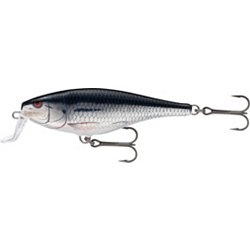
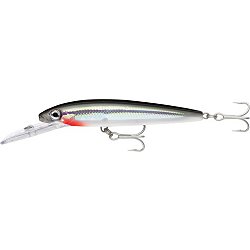
â
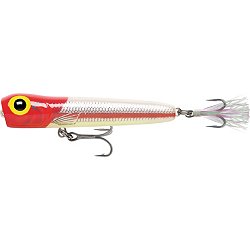
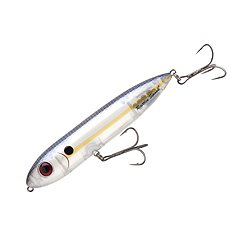
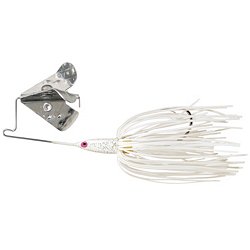
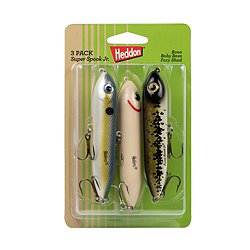
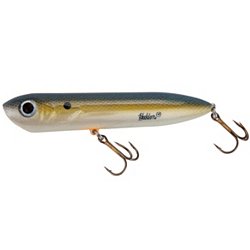
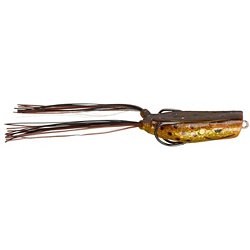
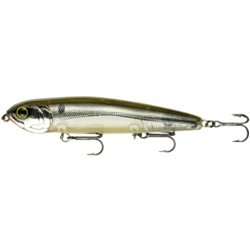
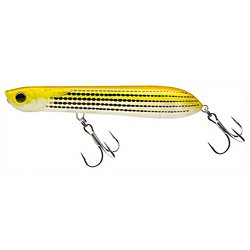
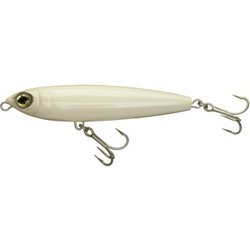
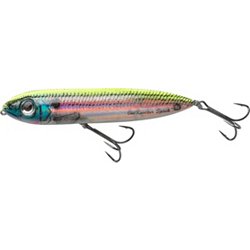
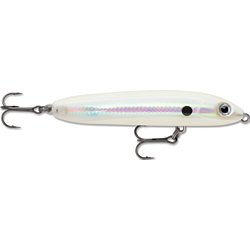
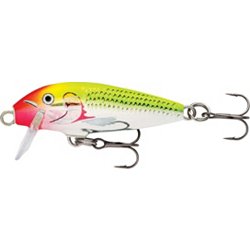
Enhance your fishing experience with our topwater rattle lures, designed to attract a variety of freshwater and saltwater species. These lures feature a unique rattle system that creates enticing sounds, mimicking the movement of distressed prey. Crafted for durability and performance, they deliver impressive action on the water's surface, drawing in fish with their lifelike appearance. Perfect for anglers of all skill levels, our topwater rattle lures are essential for your tackle box, ensuring you make the most of every fishing trip.
 (12)
(12) Topwater rattle lures are designed to create noise and vibrations on the water's surface, which can attract fish by mimicking the sounds of prey. Their unique action can trigger aggressive strikes from predatory fish, making them an effective choice for anglers. Additionally, they can be used in various water conditions, making them versatile for different fishing environments.
Topwater rattle lures are effective for targeting a variety of species, including bass, pike, and saltwater fish like redfish and snook. Their ability to create surface commotion can entice fish that are actively feeding near the top layer of the water. This makes them particularly useful during warmer months when fish are more likely to strike at surface lures.
The best time to use topwater rattle lures is during low-light conditions, such as dawn and dusk, when fish are more active and likely to strike at surface lures. Additionally, they can be effective during overcast days or when fishing in areas with heavy vegetation. Understanding fish behavior and water temperature can also help determine the optimal times for using these lures.
When selecting a topwater rattle lure, consider features such as the size, shape, and sound produced by the lure. A good topwater rattle lure should have a realistic appearance and create enticing vibrations to attract fish. Additionally, look for durable materials that can withstand repeated use, especially in saltwater environments.
Retrieving topwater rattle lures effectively involves using a steady, rhythmic motion to create surface commotion. Varying your retrieve speed can also help mimic the movement of prey and trigger strikes. Experimenting with pauses and twitches can add an erratic action that may entice fish to bite.
Continue browsing