â
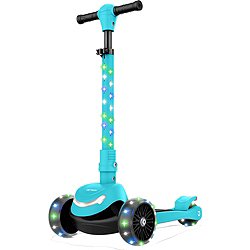
Discover the perfect training scooter designed to enhance balance and coordination for young riders. Our collection features lightweight, foldable scooters equipped with vibrant LED wheels for added fun and safety. Each scooter is crafted with sturdy materials to ensure durability while providing a smooth ride. Ideal for beginners, these scooters promote confidence and skill development in a playful way. Encourage outdoor activity and adventure with a training scooter that combines safety, style, and ease of use for your little ones.
When selecting a training scooter, consider features that enhance stability and ease of use. Look for a wide deck that provides ample foot space and a sturdy frame that can support the rider's weight. Adjustable handlebars can accommodate growth, while lightweight materials make it easier for young riders to maneuver. Additionally, scooters with safety features like non-slip grips and smooth-rolling wheels can enhance the overall riding experience.
Training scooters are typically designed for children, often suitable for ages 2 to 8 years. These scooters help young riders develop balance and coordination skills in a safe and fun way. Many models feature adjustable handlebars and lightweight frames, making them easy for kids to maneuver. Always check the manufacturer's recommendations for specific age and weight limits to ensure a proper fit.
To determine the right size training scooter for your child, consider their height and age. Most scooters have adjustable handlebars to accommodate growth, so look for models that offer this feature. Additionally, check the weight limit to ensure it is suitable for your child. It's also helpful to have your child test the scooter for comfort and control before making a decision.
Training scooters are typically constructed from a combination of materials designed for durability and performance. Aluminum is often used for the frame due to its lightweight and sturdy nature, while high-quality plastic is commonly found in the deck and wheels for impact resistance. Additionally, rubber is frequently used for the grips and wheels to provide traction and a smooth ride. These materials work together to ensure that training scooters can withstand regular use while providing a safe and enjoyable experience for young riders.
When selecting a training scooter, it's important to consider features that enhance safety for young riders. Look for scooters with a sturdy frame and a wide base for stability, as well as non-slip decks to prevent slipping during use. Additionally, scooters with adjustable handlebars can accommodate growth, while those equipped with lights or reflectors improve visibility. Finally, consider models with a reliable braking system to help riders stop safely.
Training scooters are designed to help users develop balance, coordination, and motor skills in a fun and engaging way. They often feature a stable base and adjustable handlebars, making them suitable for various skill levels. Using a training scooter can encourage physical activity and improve confidence as users learn to maneuver and control their movements. Additionally, these scooters can promote social interaction when used in group settings, enhancing the overall learning experience.
Different wheel sizes can significantly influence the performance of a training scooter. Larger wheels typically provide a smoother ride over uneven surfaces and can handle bumps more effectively, making them suitable for outdoor use. Smaller wheels, on the other hand, offer better maneuverability and are often lighter, which can be beneficial for indoor use or navigating tight spaces. Ultimately, the choice of wheel size should align with the intended use and the rider's skill level.
Training scooters are typically designed for smooth, flat surfaces such as sidewalks, paved paths, and playgrounds. They are ideal for urban environments where riders can practice balance and coordination. Some models may also handle light gravel or grass, but they are not suited for rough or uneven terrain. Overall, these scooters provide a stable platform for beginners to develop their riding skills.
Yes, training scooters are designed for versatility and can be used for both indoor and outdoor activities. Their lightweight construction and compact design make them suitable for maneuvering in smaller spaces, such as hallways or living rooms, while also being durable enough for outdoor surfaces like sidewalks and parks. Many models feature adjustable handlebars and sturdy wheels, enhancing their usability in various environments. This adaptability makes them a great option for young riders to practice their balance and coordination skills.
Foldable training scooters are designed for easy storage and transport, making them ideal for families or individuals with limited space. They typically feature a mechanism that allows the scooter to be collapsed, which can be convenient for travel or when not in use. Non-foldable scooters, on the other hand, tend to be more robust and may offer a sturdier ride, but they require more space for storage. The choice between foldable and non-foldable options often depends on personal preferences and intended use.
Continue browsing