â
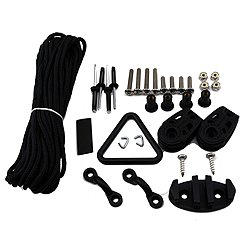
Explore our selection of vessel cleats designed for optimal performance and versatility on the water. These durable cleats provide secure attachment points for your gear, ensuring stability and convenience during your adventures. Crafted from high-quality materials, they are built to withstand the elements while offering easy installation on various surfaces. Perfect for kayaks, canoes, and other watercraft, our vessel cleats enhance your boating experience by keeping your equipment organized and accessible. Upgrade your setup with reliable cleats that combine functionality and durability for all your aquatic excursions.
A vessel cleat is a hardware component typically used on boats or kayaks to secure ropes or lines. Its primary purpose is to provide a reliable point for tying off lines, which helps in mooring the vessel or securing equipment. Cleats come in various designs and materials to accommodate different types of vessels and usage scenarios, ensuring stability and safety while on the water.
When choosing a vessel cleat, consider the type of watercraft you have and the specific activities you plan to engage in, such as fishing or recreational boating. Look for cleats that are compatible with your vessel's mounting system and made from durable materials to withstand the elements. Additionally, think about the size and design of the cleat, as this can affect how easily you can secure lines and gear. Finally, ensure that the cleat's placement on your vessel allows for convenient access and functionality.
Vessel cleats are typically made from durable materials such as stainless steel, aluminum, or high-strength plastic. Stainless steel offers corrosion resistance and strength, making it suitable for marine environments. Aluminum is lightweight and also resistant to rust, while high-strength plastic can provide a lightweight and cost-effective option. These materials ensure that vessel cleats can withstand the rigors of boating and secure lines effectively.
Yes, there are various styles of vessel cleats available to suit different needs and preferences. These cleats can vary in design, including options for track mounting or fixed installation, and may be made from different materials for enhanced durability. Additionally, some styles may feature unique shapes or configurations to accommodate specific types of vessels or applications. This variety allows users to select the cleat that best fits their boating or kayaking setup.
Vessel cleats typically attach to various types of vessels using mounting hardware that allows for secure installation on surfaces like decks or hulls. Many cleats feature a design that accommodates different mounting methods, such as screws or bolts, ensuring they can be affixed to both flat and angled surfaces. Some cleats may also be compatible with track systems, providing flexibility in positioning. This versatility makes them suitable for a range of watercraft, including kayaks, canoes, and small boats.
When assessing the durability of a vessel cleat, consider the materials used in its construction, as high-quality materials can withstand harsh marine environments. Look for features such as corrosion resistance, especially if the cleat will be exposed to saltwater. Additionally, the design and construction methods can impact its strength and longevity, so opt for cleats that are built to endure heavy loads and frequent use. Finally, check for any user reviews or feedback regarding the cleat's performance over time.
Yes, vessel cleats can be used in both freshwater and saltwater environments. They are typically made from durable materials that resist corrosion and wear, making them suitable for various water conditions. However, it's important to ensure that the cleats are properly maintained to prolong their lifespan, especially in saltwater settings. Regular cleaning and inspection can help keep them in good condition for all types of water activities.
Vessel cleats are commonly used in boating and fishing to secure lines and ropes, providing a reliable point for tying off equipment. They help in mooring boats to docks or other vessels, ensuring stability while at rest. Additionally, cleats can be utilized for securing fishing gear or accessories, enhancing organization and accessibility on board. Their versatility makes them essential for various activities on the water.
To determine the appropriate size of a vessel cleat for your vessel, consider the type and size of your boat, as well as the intended use of the cleat. Generally, larger vessels require bigger cleats to handle more substantial loads, while smaller boats can use more compact options. Additionally, think about the thickness of the lines you will be using, as this will influence the cleat's size and design. It's also helpful to consult manufacturer guidelines or seek advice from experienced boaters for specific recommendations.
When selecting a high-quality vessel cleat, consider the material and construction, as these factors influence durability and resistance to corrosion. Look for features such as a secure mounting system that ensures stability and ease of installation. Additionally, check for compatibility with various track systems, as well as the cleat's ability to accommodate different line sizes for versatile use. A well-designed cleat should also provide a reliable grip to secure your vessel effectively.
Continue browsing