â
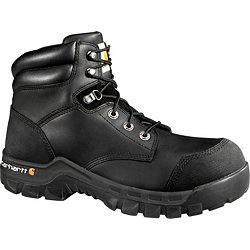
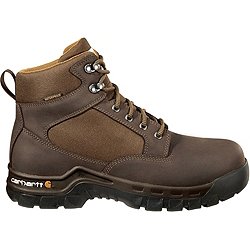
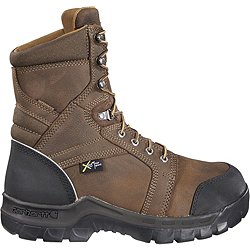
Our Work Boots for Firefighters sold out quickly! Explore similar styles now!
When selecting work boots for firefighters, prioritize features such as heat resistance, slip resistance, and puncture protection. Look for boots made from durable materials that can withstand extreme conditions and provide adequate support. Waterproofing is also important to keep feet dry in various environments.
Yes, firefighter work boots are typically made from materials that offer durability and protection, such as leather, rubber, and synthetic fabrics. Leather provides excellent abrasion resistance, while rubber can offer waterproof capabilities. Additionally, some boots may incorporate specialized materials designed to withstand high temperatures.
To ensure a proper fit for firefighter work boots, try them on with the socks you plan to wear during duty. Make sure there is enough room in the toe box and that the heel fits snugly without slipping. It's also important to consider the boot's weight and flexibility, as these factors can impact comfort during long hours of wear.
Slip resistance is crucial in firefighter work boots as it helps prevent accidents on slippery surfaces, which can be common in emergency situations. Look for boots with specialized outsoles designed to provide traction on various terrains, including wet or uneven ground. This feature enhances safety and stability during critical operations.
While firefighter work boots are specifically designed for the demands of firefighting, they can also be suitable for other rugged activities such as construction work or outdoor adventures. Their durability and protective features make them versatile for various environments, but ensure they meet the specific requirements of any additional activities.
Firefighter work boots should be inspected regularly for signs of wear and tear, such as cracks, worn-out soles, or compromised waterproofing. Generally, it's recommended to replace them every 6 to 12 months, depending on usage and conditions. Ensuring your boots are in good condition is vital for maintaining safety and performance.
Continue browsing