â
Discover our collection of youth softball balls, designed for young athletes looking to enhance their game. Crafted with durable materials, these balls offer excellent grip and performance on the field. Ideal for practice or competitive play, our youth softball balls ensure consistent flight and responsiveness, helping players develop their skills. Available in various sizes and weights, they cater to different age groups and skill levels. Equip your young player with the right softball to boost their confidence and enjoyment of the game.
When selecting a youth softball ball, consider factors such as size, weight, and material. Youth balls typically come in different sizes, with 10-inch and 12-inch options being common. Additionally, look for balls designed for specific skill levels, as some are made for training while others are suitable for competitive play.
Youth softball balls are often made from synthetic leather or rubber, which provide durability and a good grip. The core of the ball may vary, with options like foam or a softer rubber designed for safety and ease of use. Understanding the materials can help you choose a ball that meets your needs for practice or play.
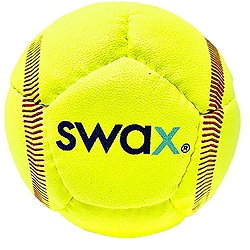
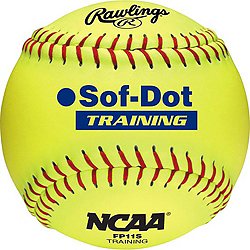
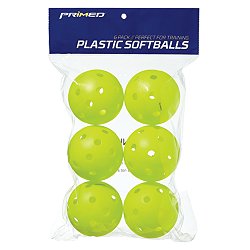
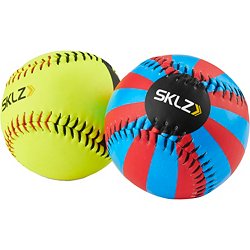
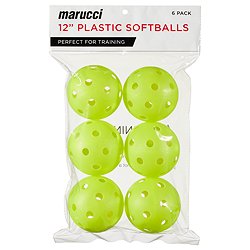
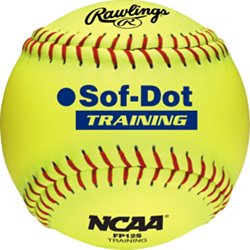
Yes, there are different types of youth softball balls designed for training and competition. Training balls may be softer and lighter, making them ideal for skill development, while competition balls are typically more durable and designed to meet official league standards. Knowing the intended use can help you select the right ball.
To determine if a youth softball ball is suitable for your child's skill level, consider their age, experience, and the type of play they will be involved in. Beginners may benefit from softer, lighter balls that are easier to handle, while more advanced players might require balls that adhere to specific league regulations.
Training youth softball balls are designed to be softer and often lighter, making them safer and easier for beginners to practice with. In contrast, game-ready balls are typically made to meet official specifications and are more durable, designed for use in competitive play. Choosing the right type depends on the player's needs and level of experience.
Continue browsing


 (1)
(1)