â
Explore our collection of cross country ski bottoms designed for optimal performance and comfort on the trails. Crafted from high-quality materials, these bottoms provide excellent insulation while remaining breathable, ensuring you stay warm without overheating. With features like moisture-wicking technology and a snug fit, they enhance your mobility and keep you dry during your adventures. Whether you're a seasoned skier or just starting out, our selection offers the perfect blend of functionality and style for all your cross country skiing needs. Get ready to glide with confidence!
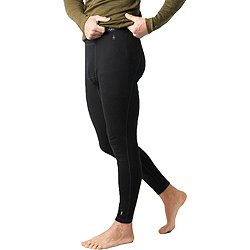
$125.00
He said the fit was true to size and they kept him warm while snowmobiling and skiing. ... Perfect weight to stay warm in cold weather. ... I love how they keep me warm but do n't make me
5
tjflan2
Fit true and worked outstanding as base layer for football game. Very comfortable and breathable.
5
Mountain time
Fit great especially in length. Perfect weight to stay warm in cold weather.
5
Kwhendy
Bought these about a week ago and wear them nearly every day. I love how they keep me warm but do n't make me hot.
5
srgmnh
These really are a step above. Great fabric, great warmth, hold their shape well. Worth every penny.
4
Jdub
Smart wool has always made quality products and these are no different. But… awfully pricey for a pair of long Johns!
Cross country ski bottoms are typically made from a blend of materials designed for warmth, moisture management, and flexibility. Common fabrics include merino wool, which offers excellent insulation and breathability, and synthetic materials like polyester or nylon that wick away moisture and dry quickly. Many ski bottoms also incorporate spandex or elastane for added stretch, allowing for a full range of motion during skiing activities.
To choose the right size for cross country ski bottoms, start by measuring your waist and hips, as these are key areas for fit. Consult the sizing chart provided by the manufacturer, which typically correlates measurements to specific sizes. Consider the type of fit you prefer; some may opt for a snug fit for better insulation and movement, while others might prefer a looser style for comfort. Additionally, think about the layering options you plan to use, as this may influence the size you select.
When selecting cross country ski bottoms, consider materials that offer warmth, breathability, and moisture-wicking properties to keep you comfortable during your activity. Look for features such as a snug fit that allows for ease of movement, as well as insulation to help retain body heat in colder conditions. Additionally, consider bottoms with flatlock seams to reduce chafing and those that provide some level of water resistance for added protection against the elements. Reflective elements can also enhance visibility in low-light conditions, making them a practical choice for early morning or evening outings.
Yes, there are different styles of cross country ski bottoms designed for various weather conditions. For colder temperatures, you can find insulated options that provide warmth while allowing for breathability. In milder weather, lighter materials and moisture-wicking fabrics are available to keep you comfortable and dry. Additionally, some styles may feature wind-resistant or water-repellent properties to enhance performance in changing weather conditions.
Cross country ski bottoms are designed specifically for the unique movements and demands of cross country skiing. They are typically made from lightweight, breathable materials that allow for a full range of motion and efficient moisture management. Unlike downhill ski pants, which are often insulated and bulkier, cross country ski bottoms prioritize flexibility and comfort, making them suitable for both performance and endurance activities. Additionally, they may feature a more fitted design to reduce drag while skiing.
Moisture-wicking properties in cross country ski bottoms are essential for maintaining comfort during physical activity. These materials help draw sweat away from the skin, allowing it to evaporate quickly, which keeps you dry and regulates body temperature. Staying dry is crucial for preventing chills and maintaining performance, especially in cold weather conditions. Additionally, moisture-wicking fabrics can enhance overall comfort by reducing the likelihood of chafing and irritation during movement.
Yes, cross country ski bottoms are versatile and can be worn for various outdoor activities. Their moisture-wicking properties and thermal insulation make them suitable for hiking, snowshoeing, or even casual winter outings. Many designs offer flexibility and comfort, allowing for a full range of motion during different activities. Just ensure that the fit and material align with the specific demands of the activity you choose.
For cold weather cross country skiing, it is recommended to choose bottoms with moderate insulation. Look for materials that provide warmth while also allowing for breathability and moisture management. Many options feature a blend of synthetic fibers or merino wool, which can help regulate temperature and keep you comfortable during activity. Layering is also a common practice, allowing you to adjust your insulation based on the temperature and your exertion level.
To ensure a comfortable fit in cross country ski bottoms, focus on selecting the right size based on your measurements and the brand's sizing chart. Look for materials that offer a good balance of stretch and support, allowing for freedom of movement while maintaining warmth. Additionally, consider features like an elastic waistband and flatlock seams, which can enhance comfort and reduce chafing during your activities. Finally, layering options can help you adjust for varying temperatures and personal comfort preferences.
Continue browsing





