â
Stay warm and comfortable on your rides with our winter cycling apparel collection. Designed for cold weather, these pieces feature thermal insulation and moisture-wicking fabrics to keep you dry and cozy. From long sleeve jerseys to thermal tights, our selection ensures optimal performance and protection against the elements. Enjoy a full range of motion with ergonomic designs tailored for cyclists. Gear up for winter adventures and conquer the chill while maintaining your cycling routine with high-quality, stylish options.


$95.00
Great cycling jersey- love the color ... Kept me warm, no bulk. ... Kept me warm with the addition of a thin underlayer during a 55F ride. ... Love the color, feel, and fit of this
5
Katherine C.
Love the color, feel, and fit of this jacket. Kept me warm, no bulk. I am inbetween sizes and ordered up to a Large and it is snug but not too tight. Kept me warm with the addition of a thin underlayer during a 55F ride.


$100.00
perfect for cool autumn days. ... Great Riding Jacket ... Love the color and the
5
orionjoe
[ My old jersey was showing its age and I needed a different color for my new hybrid bike. Love the color and the fit. perfect for cool autumn days.


$100.00
It ’s bright ... I ordered up to a large and I ’ m glad I did. ... Was looking for a standout color for evening rides along our suburban streets, and this is
4
Martha B.
Was looking for a standout color for evening rides along our suburban streets, and this is perfect. Nice and cozy but it does run a bit small. I ordered up to a large and I ’ m glad I did.

$100.00
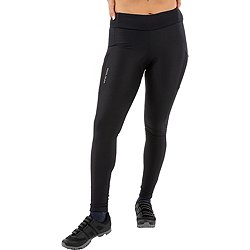
I use these for mountain biking and I 'd recommend them for rides 40°F and under. ... Warm and well- padded! ... [ These cycling tights do exactly what they 're supposed to
5
Meeshmo
[ These cycling tights do exactly what they 're supposed to do. The sizing may run a touch small so you may need to size up if you 're on the cusp of sizing. I 'm 5'2 '' 125 pounds and the small is a tiny bit more snug than I 'd like but they may stretch out over time. I use these for mountain biking and I 'd recommend them for rides 40°F and under. Great quality!


$129.99
WAS: $134.99*
[ It ’s comforting to have a place to shop where you have confidence in the quality of the products you are getting and that it will be a seamless process from purchase to delivery to
5
Rusted Ironman
[ It ’s comforting to have a place to shop where you have confidence in the quality of the products you are getting and that it will be a seamless process from purchase to delivery to support.
When selecting winter cycling apparel, consider features that enhance warmth, insulation, and moisture management. Look for materials that provide thermal protection while allowing breathability to keep you comfortable during rides. Additionally, consider items with windproof or water-resistant properties to shield against harsh weather conditions. Reflective elements can also improve visibility in low-light situations, adding an extra layer of safety.
To choose the right size for winter cycling clothing, start by consulting the sizing chart provided by the manufacturer, as sizes can vary between brands. Measure your body dimensions, including chest, waist, and hips, and compare them to the chart to find your ideal fit. Consider the type of layering you plan to do; if you intend to wear additional layers underneath, you may want to size up for comfort. Additionally, pay attention to the fit style, as some garments are designed to be more fitted while others offer a looser cut.
When cycling in winter, materials that provide insulation and moisture-wicking properties are essential for warmth. Fabrics like thermal fleece and softshell are commonly used, as they trap heat while allowing sweat to escape, keeping you dry and comfortable. Additionally, materials with windproof and water-resistant features can help protect against harsh weather conditions. Layering these materials effectively can enhance warmth and flexibility during rides.
Yes, winter cycling apparel is designed to accommodate various weather conditions. For colder temperatures, thermal jerseys and tights provide insulation and warmth, while windproof and water-resistant materials help protect against harsh elements. Layering options, such as base layers and outer shells, allow cyclists to adjust their clothing based on changing weather, ensuring comfort and performance during rides. Additionally, features like hoods and extended coverage can enhance protection in particularly chilly or wet conditions.
Layering with winter cycling clothing is essential for maintaining comfort and warmth during rides in cold conditions. The base layer should wick moisture away from the skin, keeping you dry, while the mid-layer provides insulation to retain body heat. An outer layer protects against wind and moisture, ensuring you stay shielded from the elements. Proper layering allows for easy adjustments, enabling you to add or remove layers as needed to regulate your body temperature throughout your ride.
Thermal insulation in winter cycling apparel helps to retain body heat while allowing moisture to escape, keeping cyclists warm and dry during cold rides. This type of insulation is designed to provide comfort without adding excessive bulk, enabling freedom of movement. Additionally, thermal materials often feature wind-resistant properties, which protect against chilly gusts, enhancing overall performance in harsh weather conditions. Many garments also incorporate breathable fabrics to ensure optimal temperature regulation throughout the ride.
Winter cycling apparel is designed to provide warmth and protection against cold weather, making it suitable for various outdoor activities beyond cycling. Many of these garments feature moisture-wicking materials and insulation, which can be beneficial for activities like hiking, running, or even casual outdoor outings in chilly conditions. However, it's important to consider the specific features of the apparel, such as fit and breathability, to ensure they meet the demands of your chosen activity.
When selecting winter cycling apparel, consider the fit and comfort to ensure an enjoyable ride. Look for materials that provide insulation while allowing for breathability, as this helps regulate body temperature. Additionally, features like a snug fit around the wrists and ankles can help keep warmth in and cold air out. It's also important to choose layers that allow for freedom of movement, so you can pedal comfortably without restriction.
To determine the right level of warmth for winter cycling, consider the temperature, wind chill, and your personal comfort preferences. Layering is key; start with a moisture-wicking base layer to keep sweat away from your skin, then add insulating layers that provide warmth without bulk. Additionally, consider the intensity of your ride, as more vigorous cycling may require lighter layers to prevent overheating. Always be prepared for changing weather conditions by having options that can be easily added or removed.
Tights and thermal jerseys serve different purposes in winter cycling apparel. Tights are designed to provide warmth and coverage for the lower body, often featuring insulating materials that help retain heat while allowing for flexibility and movement. Thermal jerseys, on the other hand, are intended for the upper body and typically offer a snug fit with moisture-wicking properties to keep cyclists dry and comfortable. Together, they create a layered approach to staying warm during cold weather rides.
Continue browsing





