â
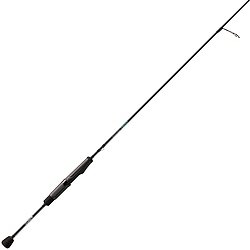
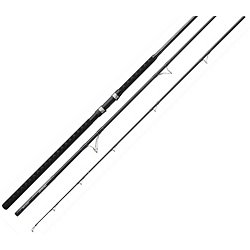
Explore our collection of plain fishing rods, designed for anglers of all skill levels. These versatile rods offer exceptional sensitivity and strength, making them ideal for various fishing techniques. Crafted from durable materials, they provide a lightweight feel without compromising performance. Whether you're casting from the shore or reeling in your catch from a boat, our plain fishing rods ensure a reliable and enjoyable fishing experience. Upgrade your gear and enhance your time on the water with these essential tools for every fishing adventure.

$109.99
I bought this about a month ago or a friend as a gift and they loved
5
Celina
I bought this about a month ago or a friend as a gift and they loved it. They have a few of them.

$139.99-$159.99
Lightweight and sturdy. ... Bought this a couple of weeks ago and used it several times since. ... Tried it few times with a 5oz sinker and works great. ... Excellent
5
Lello_lallo
Lightweight and sturdy. Tried it few times with a 5oz sinker and works great. Very good action
4
Hankie
Bought this a couple of weeks ago and used it several times since. Bought the 11 ’ model. Works great in the surf. Have it paired with a Penn Battle V 5000. Only minor issue is there no hood holder.
When choosing a plain fishing rod, consider the type of fishing you plan to do, as different rods are designed for various environments and techniques. Look at the rod's length and power, which can affect casting distance and the ability to handle different fish sizes. Additionally, pay attention to the material, as it influences the rod's sensitivity and durability. Finally, consider the action of the rod, which determines how it bends and responds during use, impacting your overall fishing experience.
Plain fishing rods come in various types designed for different fishing styles and environments. Spinning rods are popular for their versatility and ease of use, making them suitable for both beginners and experienced anglers. Casting rods offer greater accuracy and control, ideal for targeting specific areas. Additionally, surf rods are designed for long-distance casting from shore, accommodating larger baits and heavier lines.
The material of a plain fishing rod plays a crucial role in its performance by influencing its sensitivity, strength, and flexibility. Common materials include graphite, which offers lightweight sensitivity, and fiberglass, known for its durability and flexibility. The choice of material can affect how well the rod transmits vibrations from bites and how it handles different fishing techniques. Ultimately, selecting the right material can enhance the overall fishing experience based on individual preferences and fishing conditions.
The ideal length for a plain fishing rod can vary depending on the fishing style you choose. For freshwater fishing, rods typically range from 6 to 7 feet, providing a good balance of casting distance and control. In contrast, surf fishing often requires longer rods, usually between 9 to 12 feet, to help cast baits further into the surf. Ultimately, selecting the right length will depend on your specific fishing environment and techniques.
When selecting a plain fishing rod for beginners, it's important to consider the rod's length and action, as these factors can influence casting distance and sensitivity. A medium action rod is often a good choice, as it provides a balance between flexibility and strength, making it easier to handle various types of fish. Additionally, look for lightweight materials that enhance comfort during extended use, and ensure the rod has a comfortable grip for better control. Finally, consider the rod's compatibility with different reel types to ensure a smooth fishing experience.
The action of a fishing rod refers to how much it bends when pressure is applied, which can significantly affect casting distance and accuracy. A rod with a fast action bends primarily at the tip, allowing for quick energy transfer and longer casts, while providing better sensitivity for detecting bites. Conversely, a moderate or slow action rod bends more throughout its length, which can enhance casting control and accuracy, especially for lighter lures. Understanding the action of a rod can help anglers choose the right tool for their specific fishing techniques and conditions.
Plain fishing rods offer versatility and simplicity, making them suitable for a variety of fishing techniques and environments. They typically feature a straightforward design that allows anglers to focus on the fundamentals of fishing without the complexity of specialized equipment. Additionally, plain fishing rods are often lightweight and easy to handle, which can enhance the overall fishing experience for both beginners and experienced anglers. Their adaptability makes them a practical choice for different fishing styles, whether in freshwater or saltwater settings.
To determine the right power rating for a plain fishing rod, consider the type of fish you plan to catch and the fishing technique you will use. Power ratings typically range from ultra-light to heavy, with lighter rods suitable for smaller fish and heavier rods designed for larger species. Additionally, think about the lure weight and line strength you intend to use, as these factors can influence the rod's performance. Matching the rod's power rating to your fishing style will enhance your overall experience on the water.
Plain fishing rods are versatile and can be used for various types of fishing, including freshwater and saltwater applications. They are suitable for techniques such as spinning, baitcasting, and surf fishing, making them ideal for targeting species like bass, trout, and even larger saltwater fish. Their design allows for ease of use, making them a good choice for both beginners and experienced anglers. Additionally, plain fishing rods can accommodate different line types and lures, enhancing their adaptability for different fishing environments.
To ensure the longevity of your fishing rod, regularly clean it after each use by rinsing it with fresh water to remove salt, dirt, and debris. Inspect the rod for any signs of wear or damage, paying close attention to the guides and reel seat. Store the rod in a cool, dry place, ideally in a protective case or rod holder to prevent bending or breaking. Additionally, periodically check and lubricate any moving parts, such as reel components, to maintain optimal performance.
Continue browsing