â
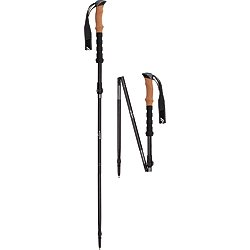
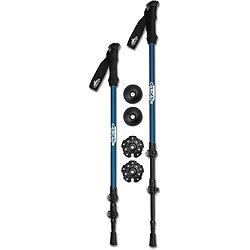
Our Antishock Trekking Poles sold out quickly! Explore similar styles now!
Anti-shock trekking poles are designed to reduce the impact on your joints while hiking, making them ideal for rough terrains. The shock-absorbing mechanism helps to minimize fatigue, allowing for longer hikes with less strain. Additionally, they provide stability and support, which can enhance your overall hiking experience.
The primary difference between anti-shock trekking poles and regular trekking poles is the built-in shock absorption feature. This feature helps to soften the impact when trekking downhill or on uneven surfaces. Regular trekking poles may offer stability but lack the cushioning effect that can make hiking more comfortable on challenging trails.
Anti-shock trekking poles are typically made from lightweight yet durable materials such as aluminum or carbon fiber. Aluminum poles are known for their strength and affordability, while carbon fiber poles are lighter and offer better shock absorption. The choice of material can affect the overall weight and performance of the poles.
Yes, anti-shock trekking poles are versatile and can be used on various terrains, including rocky trails, muddy paths, and steep inclines. Their shock-absorbing features make them particularly beneficial for downhill hiking, where impact can be more pronounced. However, it's essential to choose the right pole length and adjustability for optimal performance in different conditions.
Absolutely, anti-shock trekking poles provide additional points of contact with the ground, which enhances balance and stability while hiking. This is especially helpful on uneven or slippery surfaces, where maintaining footing can be challenging. By distributing weight more evenly, they can also reduce the risk of falls and injuries.
When selecting anti-shock trekking poles, consider factors such as weight, material, adjustability, and grip comfort. It's also important to look for features like locking mechanisms and the type of tips for different terrains. Additionally, think about the length of the poles and whether they can be easily collapsed for storage or transport.
Continue browsing