â
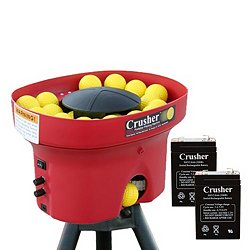
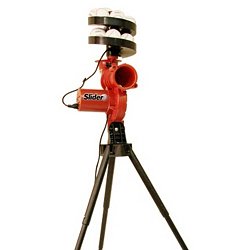
Enhance your training sessions with our range of automatic feeders designed for baseball and softball enthusiasts. These innovative devices ensure consistent pitch delivery, allowing players to focus on improving their swing and technique. With adjustable settings and compatibility with various ball types, our automatic feeders cater to all skill levels. Built for durability and ease of use, they provide a reliable solution for solo practice or team drills. Elevate your game and maximize your training efficiency with our top-quality automatic feeders.
An automatic feeder is a device designed to hold and dispense balls for various sports training, such as baseball or cricket. It works by automatically releasing a ball at set intervals, allowing athletes to practice their hitting or fielding skills without needing a partner to pitch. These feeders can be integrated with pitching machines to enhance training sessions, providing consistent ball delivery for improved performance. Many models are adjustable, enabling users to customize the speed and frequency of ball release to suit their training needs.
Using an automatic feeder for sports training offers several advantages. It allows for consistent and repetitive practice, helping athletes improve their timing and technique without the need for a partner. Automatic feeders can also be adjusted for speed and frequency, catering to different skill levels and training goals. Additionally, they free up coaches and trainers to focus on other aspects of training, enhancing overall efficiency during practice sessions.
Yes, an automatic feeder can be used for various types of sports, particularly those that involve repetitive ball delivery, such as baseball, softball, and cricket. These feeders are designed to work with specific pitching machines, allowing athletes to practice their hitting skills without the need for a partner. By adjusting the settings, users can often accommodate different ball sizes and types, making them versatile training tools for multiple sports.
When selecting an automatic feeder, consider features such as capacity, which determines how many balls it can hold at once, allowing for longer practice sessions without interruption. Look for adjustable feeding speeds to accommodate different skill levels and training needs. Additionally, ease of setup and portability can enhance convenience, making it easier to transport and use in various locations. Compatibility with different types of balls is also important to ensure versatility in training.
To determine the right size of an automatic feeder, consider the type of sport you are playing and the specific requirements of your training sessions. Assess the capacity of the feeder, as larger feeders can hold more balls and reduce the frequency of refills, which is beneficial for longer practice sessions. Additionally, think about the size and type of balls you will be using, as some feeders are designed for specific ball sizes or types. Finally, evaluate the space available for the feeder and ensure it fits well with your training setup.
Automatic feeders are typically constructed from durable materials designed to withstand outdoor conditions and regular use. Common materials include high-quality plastics, which are lightweight and resistant to corrosion, as well as metal components for added strength and stability. Some feeders may also incorporate rubber or foam elements to help secure the balls and reduce noise during operation. These materials ensure that the feeders are both functional and long-lasting.
Automatic feeders are suitable for both beginners and advanced athletes. They provide a consistent and reliable way to practice, allowing users to focus on their technique without the need for a partner. Beginners can benefit from the repetitive nature of the drills, while advanced athletes can use them to refine their skills and improve their performance. Overall, these devices can enhance training for athletes at various skill levels.
The durability of an automatic feeder plays a crucial role in its overall performance and reliability. A well-constructed feeder can withstand repeated use and exposure to various weather conditions, ensuring consistent operation during practice sessions. Durable materials help prevent malfunctions and breakdowns, allowing athletes to focus on their training without interruptions. Additionally, a robust feeder can handle different types of balls, contributing to a more versatile training experience.
Typical maintenance for an automatic feeder includes regular cleaning to remove dirt and debris that can affect performance. It's important to check and tighten any loose screws or components to ensure everything operates smoothly. Additionally, inspecting the feeder's motor and electrical connections periodically can help prevent malfunctions. Following the manufacturer's guidelines for maintenance can also extend the lifespan of the feeder.
Automatic feeders are designed for versatility and can typically be used both indoors and outdoors. When using them outdoors, it's important to consider the weather conditions and ensure the feeder is placed on a stable surface. Indoor use allows for controlled environments, making it easier to focus on practice without external distractions. Always check the specific guidelines for the feeder to ensure optimal performance in different settings.
Continue browsing