â
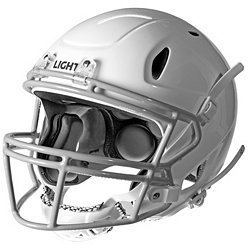
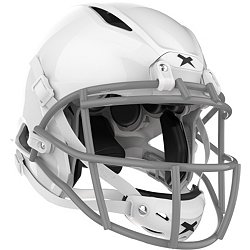
Explore a selection of football helmets for high school athletes, designed to provide protection and comfort on the field. These helmets feature advanced technologies such as impact-absorbing liners, lightweight materials, and customizable fit systems to enhance player safety and performance. With options that prioritize both durability and weight distribution, athletes can enjoy improved mobility and reduced fatigue during play. Whether for varsity or youth levels, these helmets aim to meet the demands of competitive football while providing a secure fit.
When selecting a football helmet for high school players, prioritize features that enhance safety and comfort. Look for helmets with advanced impact absorption technologies, such as multi-stage shock systems and high-performance padding. Additionally, consider the helmet's weight, as lighter options can reduce fatigue during games and practices, allowing for better performance.
To find the right size for a high school football helmet, measure the circumference of the head about one inch above the eyebrows. Use this measurement to consult the manufacturer's sizing chart, which typically includes small, medium, large, and extra-large options. A proper fit is crucial for safety and comfort, so ensure the helmet sits snugly without being overly tight.
High school football helmets are often made from durable materials like polycarbonate and composite shells, which provide a balance of strength and lightweight performance. The inner padding typically features advanced foams designed to absorb impact and enhance comfort. These materials work together to protect players while allowing for mobility on the field.
Yes, safety ratings are essential when selecting a football helmet. Look for helmets that have been tested and rated by independent organizations, such as Virginia Tech, which provides star ratings based on impact performance. Helmets with higher ratings generally offer better protection against head injuries during play.
Lightweight football helmets offer several benefits for high school athletes, including reduced fatigue and improved mobility during games and practices. A lighter helmet can help players maintain focus and performance without the added strain of heavier equipment. Additionally, many lightweight options incorporate advanced materials that still provide excellent protection.
Football helmets should be reconditioned at least every two years to maintain their protective qualities. This process typically involves inspecting and replacing worn or damaged components. Additionally, helmets should be replaced if they show signs of significant wear or after a major impact, as their ability to protect may be compromised.
When choosing a high school football helmet, look for padding that offers a combination of comfort and impact protection. Advanced foams, such as those designed for energy absorption, are beneficial for reducing the forces experienced during collisions. Additionally, consider helmets with customizable padding options to achieve a secure and comfortable fit.
Many high school football helmets are versatile enough to be used for various types of play, including 7v7 and flag football. However, it's essential to check the helmet's specifications and safety ratings to ensure it meets the requirements for non-contact play. Proper fit and comfort remain crucial regardless of the type of football being played.
Continue browsing



 (4)
(4)