â
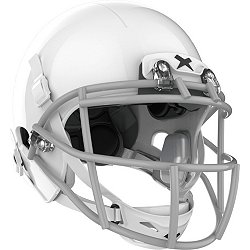
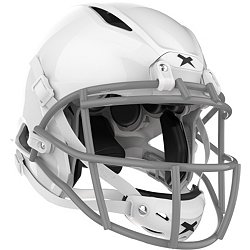
Discover the best football helmets for high school athletes, designed to provide optimal protection and comfort on the field. Our selection features advanced safety technologies, ensuring superior impact resistance and a secure fit for players of all sizes. Lightweight materials enhance mobility, while moisture-wicking liners keep players cool during intense games. With adjustable features and customizable padding, these helmets offer a personalized fit for every athlete. Equip your team with the best football helmets to ensure safety and performance throughout the season.
When selecting the best football helmet for high school players, consider features such as impact protection, fit, and comfort. Look for helmets with advanced padding systems that absorb shock and provide a snug fit. Additionally, ventilation and weight are important for comfort during long practices and games.
To determine the right size football helmet, measure the circumference of the player's head just above the eyebrows. Use this measurement to refer to the sizing chart provided by the helmet manufacturer. A proper fit should feel snug but not overly tight, with the helmet sitting level on the head.
High school football helmets are typically made from materials like polycarbonate and thermoplastic, which provide durability and lightweight protection. The inner padding is often made from foam or gel materials that enhance comfort and impact absorption. Choosing a helmet with high-quality materials can significantly affect a player's safety and performance on the field.
Yes, certain helmet designs incorporate advanced technologies that enhance protection, such as multi-layer padding systems and specialized shell shapes. These designs are engineered to distribute impact forces more effectively, reducing the risk of injury. It's important to choose a helmet that meets safety standards and has been tested for performance.
High school football helmets should typically be reconditioned every year and replaced every 5 to 10 years, depending on usage and condition. Regular inspections for signs of wear, damage, or outdated technology are essential to ensure optimal safety. Following manufacturer guidelines for maintenance can help extend the life of the helmet.
Youth football helmets are designed specifically for younger players, with considerations for head size, weight, and impact protection tailored to their needs. They often feature lighter materials and different padding configurations compared to adult helmets. Ensuring the right fit and safety features is crucial, as youth players are still developing and may require more specialized protection.
Continue browsing