â
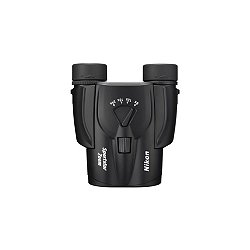
Explore the great outdoors with our premium selection of binoculars for hiking. Designed for clarity and durability, these binoculars offer powerful magnification and lightweight portability, making them perfect for any adventure. With features like waterproof construction and ergonomic designs, you can enjoy stunning views in various weather conditions. Whether you're birdwatching, scouting trails, or simply enjoying nature, our binoculars provide exceptional optical performance and comfort. Elevate your hiking experience and never miss a moment of the breathtaking scenery around you.
 (1)
When selecting binoculars for hiking, consider features such as magnification and objective lens diameter, which affect the clarity and brightness of the image. A lightweight and compact design is essential for easy portability on long treks. Additionally, look for waterproof and fog-proof construction to ensure durability in various weather conditions. Finally, a comfortable grip and user-friendly focus mechanism can enhance your overall viewing experience while on the trail.
When choosing the right magnification for hiking binoculars, consider the balance between magnification power and stability. A magnification of 8x to 10x is often ideal for hiking, as it provides a clear view of distant objects while still allowing for a steady image. Higher magnifications can make it more challenging to keep the binoculars steady, especially when on the move. Additionally, consider the size and weight of the binoculars, as these factors can impact your comfort during long hikes.
The ideal weight for binoculars when hiking typically ranges from 1 to 2 pounds. Lighter binoculars are often preferred for long treks, as they reduce fatigue and are easier to carry. However, some hikers may opt for slightly heavier models that offer better optics and stability. Ultimately, the best choice depends on personal preference and the specific hiking conditions.
Waterproof binoculars can be beneficial for hiking, especially in unpredictable weather conditions or when hiking in areas with high humidity. They help protect the internal components from moisture, ensuring clear visibility and functionality. While not strictly necessary, having waterproof binoculars can enhance your outdoor experience by providing peace of mind and durability during your adventures. Many hikers prefer them for their reliability in various environments.
Hiking binoculars are typically constructed using durable materials designed to withstand outdoor conditions. Common materials include rubber armor for shock resistance and a secure grip, as well as lightweight yet sturdy plastics or aluminum for the body. Many models also feature multi-coated lenses made from high-quality glass to enhance clarity and brightness. Additionally, waterproof and fog-proof seals are often included to protect the internal components from moisture and debris.
Different lens coatings can significantly impact the performance of hiking binoculars by enhancing light transmission and reducing glare. Coatings such as anti-reflective, fully multi-coated, or phase-corrected can improve image clarity and brightness, making it easier to spot details in various lighting conditions. Additionally, waterproof and fog-proof coatings help maintain visibility in challenging weather, ensuring a reliable viewing experience during outdoor adventures. Overall, the right lens coatings contribute to a more enjoyable and effective hiking experience.
Compact binoculars are lightweight and portable, making them ideal for hiking where space and weight are considerations. They typically have smaller objective lenses, which can limit light-gathering ability and may result in a narrower field of view. Full-size binoculars, on the other hand, offer larger objective lenses that enhance brightness and clarity, providing a wider field of view, but they can be bulkier and heavier to carry. The choice between the two often depends on the specific needs of the hiker, such as the length of the hike and the desired viewing experience.
To ensure comfort while using binoculars during a hike, consider the weight and size of the binoculars you choose, as lighter models are easier to carry for extended periods. Look for binoculars with ergonomic designs and rubberized grips, which can help reduce hand fatigue. Additionally, using a neck strap or harness can distribute the weight more evenly and prevent strain on your neck and shoulders. Finally, take breaks to rest your arms and eyes, allowing for a more enjoyable hiking experience.
When using binoculars while hiking, it's important to ensure they are securely attached to your body or pack to prevent drops. Adjust the focus and eyecups before your hike to save time and ensure comfort while observing. Use a stable stance or support, such as a tree or rock, to steady your view, especially when spotting distant wildlife or landscapes. Lastly, be mindful of your surroundings and avoid blocking your path while using binoculars to maintain safety on the trail.
When choosing binoculars for hiking, consider factors such as weight, size, and magnification. Compact models are lightweight and easy to carry, making them ideal for long treks. Larger binoculars may offer better image quality and brightness but can be bulkier. Think about your specific hiking environment and how much you prioritize portability versus optical performance.
Continue browsing