â
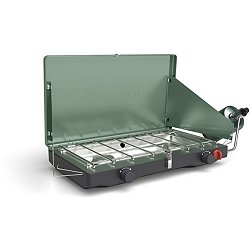
Discover the versatility and durability of our cast iron cooking stoves, perfect for outdoor adventures or backyard gatherings. Designed for efficient heat distribution, these stoves ensure even cooking and reliable performance. With multiple burners and compact designs, they are ideal for camping, tailgating, or emergency preparedness. Built to withstand the elements, our cast iron stoves offer long-lasting use and easy maintenance. Elevate your outdoor cooking experience with a dependable cast iron cooking stove that delivers exceptional results every time.
Cast iron cooking stoves offer excellent heat retention and distribution, allowing for even cooking and better temperature control. They are highly durable and can withstand high temperatures, making them suitable for various cooking methods, including grilling and simmering. Additionally, cast iron stoves are often versatile, allowing for use in outdoor settings, making them ideal for camping or backyard cooking. Their robust construction also means they can last for many years with proper care.
A cast iron cooking stove is known for its excellent heat retention and even cooking capabilities, making it a popular choice for outdoor cooking and camping. Unlike other types of stoves, such as those made from aluminum or stainless steel, cast iron stoves can withstand high temperatures and are often more durable. They also provide a unique cooking experience, as they can be used over open flames or coals, allowing for versatile meal preparation. Additionally, cast iron stoves typically require seasoning to maintain their non-stick properties and prevent rusting, which is a distinct maintenance aspect compared to other stove materials.
A cast iron cooking stove is versatile and can be used for various cooking methods, including boiling, frying, and simmering. Its ability to retain and distribute heat evenly makes it suitable for preparing meals like stews, soups, and grilled dishes. Additionally, it can be used for outdoor cooking, making it ideal for camping or tailgating. Many users appreciate the durability and heat retention properties of cast iron, which enhance the cooking experience.
Yes, cast iron cooking stoves are suitable for outdoor use. They are designed to withstand various weather conditions and provide reliable heat for cooking while camping, tailgating, or during outdoor gatherings. Their sturdy construction ensures durability, making them a popular choice for outdoor cooking enthusiasts. Additionally, many models feature multiple burners, allowing for versatile cooking options in an outdoor setting.
When choosing a cast iron cooking stove, consider the size and weight to ensure it fits your cooking space and is manageable for transport if needed. Look for the number of burners and their BTU output, as this will affect your cooking efficiency and versatility. Additionally, evaluate the stove's design and features, such as portability, ease of use, and compatibility with various fuel types, to match your cooking style and needs. Finally, consider the maintenance requirements, as cast iron may need special care to maintain its performance and longevity.
Cast iron cooking stoves are known for their excellent heat retention properties, which allow for even cooking and consistent temperature control. This material retains heat for a longer period, making it ideal for slow cooking and simmering dishes. Additionally, the ability to maintain heat helps in achieving a good sear on meats and enhances the overall flavor of the food. Many cooks appreciate how cast iron can transition from stovetop to oven, providing versatility in cooking methods.
Common features of cast iron cooking stoves include durable construction that provides excellent heat retention and distribution, making them ideal for various cooking methods. Many models offer multiple burners, allowing for simultaneous cooking of different dishes. Additionally, they often come with adjustable heat settings for precise temperature control, and some may include features like windshields or removable grates for easy cleaning and maintenance. These stoves are typically designed for outdoor use, making them suitable for camping, tailgating, or backyard cooking.
To determine the right size of a cast iron cooking stove, consider the number of burners you need and the cooking space required for your meals. Assess the size of your cooking area and the types of dishes you plan to prepare, as larger stoves can accommodate bigger pots and multiple dishes simultaneously. Additionally, think about portability if you plan to use the stove for camping or outdoor activities, as some models are designed to be more compact and lightweight.
Cast iron cooking stoves are primarily made from cast iron, which is known for its excellent heat retention and distribution properties. Some models may also incorporate stainless steel or aluminum components for added durability and lightweight features. The combination of these materials allows for efficient cooking and long-lasting performance in various outdoor settings.
Maintaining a cast iron cooking stove involves regular cleaning and seasoning to ensure optimal performance and longevity. After each use, it is important to clean the surface with a brush or cloth to remove food residue and prevent rust. Seasoning the stove with a thin layer of oil helps protect the cast iron and enhances its non-stick properties. Additionally, checking for any signs of wear or damage periodically can help maintain the stove's functionality.
Continue browsing