â
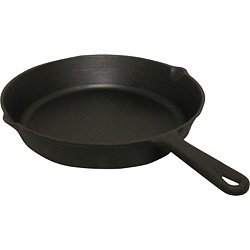
Discover the versatility and durability of our cast iron pot cookware collection, perfect for any cooking enthusiast. Designed for even heat distribution, these pots are ideal for stovetop, oven, or campfire cooking. With pre-seasoned finishes, they offer a natural non-stick surface that improves with use. From small servings to large family meals, our range includes various sizes to meet your culinary needs. Elevate your cooking experience with the timeless quality and performance of cast iron cookware, ensuring delicious meals every time.
Cast iron pot cookware offers excellent heat retention and even cooking, making it ideal for a variety of cooking methods, from slow simmering to high-heat searing. Its durability allows for long-lasting use, and with proper care, it can develop a natural non-stick surface over time. Additionally, cast iron cookware is versatile and can be used on the stovetop, in the oven, or even over an open flame, making it suitable for both indoor and outdoor cooking. Many appreciate the rustic aesthetic it brings to the kitchen and dining experience.
Cast iron cookware is generally heavier than many other materials used in cooking, such as aluminum or stainless steel. This weight contributes to its ability to retain and distribute heat evenly, making it ideal for slow cooking and baking. While the heft can be a consideration for some users, many appreciate the durability and heat retention properties that come with the weight of cast iron. Additionally, the weight can provide stability on the stovetop or in the oven, reducing the risk of tipping or spilling.
Cast iron pots are versatile and can be used for various cooking methods, including baking, frying, simmering, and slow cooking. They retain heat well, making them ideal for searing meats and maintaining even temperatures for stews and casseroles. Additionally, they can be used on the stovetop or in the oven, allowing for a seamless transition between cooking methods. Their durability also makes them suitable for outdoor cooking over an open flame or campfire.
Cast iron cookware is versatile and can be used for a variety of recipes. Dishes that benefit from even heat distribution, such as stews, casseroles, and baked goods, are particularly well-suited for cast iron pots. Additionally, recipes that require high heat, like searing meats or baking bread, can take advantage of the cookware's ability to retain and radiate heat effectively. Many people also enjoy using cast iron for outdoor cooking, making it ideal for campfire meals and grilling.
The seasoning process is essential for enhancing the performance of cast iron pots. It involves applying a layer of oil and heating the cookware, which creates a natural non-stick surface and helps prevent rust. Properly seasoned cast iron retains heat well, distributes it evenly, and can improve the flavor of the food cooked in it over time. Regular maintenance of the seasoning can prolong the life of the cookware and ensure optimal cooking results.
When choosing the size of a cast iron pot, consider the number of people you typically cook for and the types of meals you plan to prepare. Smaller pots are ideal for side dishes or meals for one or two, while larger pots are better suited for stews, soups, or cooking for a group. Additionally, think about the available storage space in your kitchen, as larger pots can be bulkier and may require more room. Lastly, consider the cooking method; larger pots can be more versatile for various cooking techniques, including baking and braising.
The heat retention of cast iron cookware allows for even cooking and consistent temperature control, which is essential for various cooking techniques. This material holds heat well, making it ideal for slow-cooking, braising, and baking, as it distributes heat evenly across the surface. Additionally, the ability to maintain high temperatures can enhance the flavors of dishes, allowing for better searing and caramelization. Overall, the heat retention properties contribute to a more efficient and enjoyable cooking experience.
Enameled cast iron cookware features a smooth, colorful coating that prevents rust and eliminates the need for seasoning, making it easier to clean and maintain. Traditional cast iron cookware, on the other hand, requires regular seasoning to maintain its non-stick properties and prevent rust. While enameled options are often more versatile for cooking acidic foods, traditional cast iron is known for its excellent heat retention and even cooking. Both types offer unique benefits depending on your cooking style and preferences.
Cast iron pots are versatile and can be used on most types of stovetops, including gas, electric, and ceramic. However, for induction stovetops, it is important to ensure that the cast iron cookware has a flat bottom and is magnetic, as this is necessary for proper heating. Many cast iron pots are designed to be compatible with induction cooking, making them a great option for various cooking methods. Always check the manufacturer's specifications to confirm compatibility with your stovetop type.
To maintain the durability of cast iron cookware, it is important to clean it properly after each use. Avoid using soap or harsh detergents; instead, use hot water and a stiff brush to remove food residue. After cleaning, dry the cookware thoroughly to prevent rust, and apply a light coat of oil to keep the seasoning intact. Regularly seasoning your cast iron by applying oil and heating it can also help maintain its non-stick surface and overall longevity.
Continue browsing