â
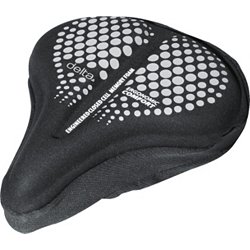
Discover the ultimate in cycling comfort with the Charge Spoon bike seat collection. Designed for both casual riders and serious cyclists, these seats offer a perfect blend of support and cushioning. With a sleek profile and lightweight construction, they enhance your riding experience while reducing fatigue on long journeys. The ergonomic design ensures a comfortable fit for various riding styles, making them ideal for everything from leisurely rides to intense training sessions. Upgrade your bike with a Charge Spoon seat and enjoy every mile in comfort.
When selecting a bike seat for comfort during long rides, consider features such as padding thickness and material, which can significantly impact your overall comfort. Look for a seat with a shape that supports your riding position, whether you prefer a more upright or aggressive stance. Additionally, consider the width of the seat to ensure it accommodates your sit bones properly, as well as ventilation features that can help keep you cool. Finally, adjustable options can provide a customized fit to enhance your riding experience.
To determine the right size of a bike seat, consider your riding style and the type of bike you use. Measure the width of your sit bones, as this will help you find a seat that provides adequate support and comfort. Additionally, think about the level of padding you prefer and whether you need a seat designed for more upright or aggressive riding positions. Trying out different styles can also help you find the best fit for your needs.
Bike seats are typically made from a combination of materials designed to enhance durability and comfort. The outer cover is often crafted from synthetic fabrics or leather, which provide resistance to wear and weather. Padding materials, such as foam or gel, are used to offer cushioning and support during rides. Additionally, the seat base is usually constructed from sturdy plastics or composite materials to ensure stability and longevity.
Yes, there are different styles of bike seats designed for various types of cycling activities. Each style caters to specific riding preferences and conditions, such as cruising, sport riding, or comfort-focused cycling. Factors like seat shape, padding, and materials can influence the overall riding experience, making it important to choose a seat that aligns with your cycling goals and comfort needs. Whether you are commuting, racing, or enjoying leisurely rides, selecting the right bike seat can enhance your overall performance and enjoyment.
The design of a bike seat plays a crucial role in determining your riding posture by influencing how your body aligns while cycling. A well-designed seat can provide adequate support for your sit bones and lower back, promoting a more comfortable and efficient riding position. Features such as width, padding, and shape can affect how weight is distributed, which in turn impacts your overall posture and comfort during rides. Choosing a seat that matches your riding style and body type can help enhance your cycling experience.
Choosing a bike seat with extra padding can enhance comfort during rides, especially on longer journeys. The additional cushioning helps to absorb shocks and vibrations from the road, reducing fatigue and discomfort. This can be particularly beneficial for recreational cyclists or those who ride for extended periods. Additionally, a well-padded seat can provide better support, allowing for a more enjoyable cycling experience.
To determine if a bike seat is suitable for your riding style, consider the type of cycling you do, such as commuting, leisure riding, or performance cycling. Look for features like padding thickness, shape, and width, as these can affect comfort and support during rides. Additionally, consider the seat's design, as some are tailored for more upright positions while others are optimized for aggressive riding postures. Testing different styles can also help you find the best fit for your needs.
When selecting a bike seat for city commuting, consider factors such as comfort and ease of mounting and dismounting, as you may frequently stop and start. Look for a seat that offers adequate cushioning and support for short rides while allowing for quick transitions. For long-distance cycling, prioritize ergonomic design and pressure relief features to enhance comfort over extended periods. Additionally, consider the seat's width and shape to ensure it suits your riding position and personal preferences.
The weight of a bike seat can influence overall bike performance by affecting the bike's overall weight and the rider's comfort during long rides. A lighter seat may enhance speed and agility, making it easier to maneuver, especially in competitive settings. Conversely, a heavier seat might provide additional cushioning and support, which can be beneficial for casual riders or those on longer journeys. Ultimately, the choice of seat weight should align with the rider's preferences and intended use.
To ensure proper fit and comfort for a bike seat, several adjustments can be made. First, the height of the seat should be set so that your leg has a slight bend at the knee when the pedal is at its lowest point. Additionally, the seat should be positioned horizontally to allow for optimal weight distribution, which can be adjusted by moving it forward or backward. Finally, the angle of the seat can be tilted slightly to find a comfortable position that supports your riding style.
Continue browsing