â
Discover the perfect blend of comfort and precision with our ergonomic kitchen knives. Designed to reduce strain and enhance control, these knives feature comfortable grips and balanced weight for effortless cutting. Ideal for both professional chefs and home cooks, our selection ensures you can tackle any culinary task with ease. Crafted from high-quality materials, these knives provide durability and sharpness for long-lasting performance. Elevate your cooking experience with ergonomic kitchen knives that make meal preparation a joy.
Ergonomic kitchen knives are designed with user comfort and efficiency in mind, featuring handles that fit the natural grip of the hand. This design helps reduce strain during prolonged use, making them suitable for various kitchen tasks. In contrast, traditional knives may not prioritize comfort, often leading to fatigue or discomfort during extended periods of cutting or chopping. The focus on ergonomics in these knives can enhance overall cooking experiences by promoting better handling and control.
When selecting ergonomic kitchen knives, consider features that enhance comfort and reduce strain during use. Look for handles designed to fit the natural grip of your hand, often made from materials that provide a secure and non-slip hold. Additionally, a balanced weight distribution can help minimize fatigue, while blade shapes that facilitate smooth cutting motions can improve efficiency in the kitchen. Finally, ensure the knife has a comfortable finger guard or bolster to protect your hand while working.
Ergonomic kitchen knives are designed to enhance comfort by providing a more natural grip and reducing strain on the hand and wrist during use. Their handles often feature contours and materials that fit the hand better, allowing for a secure hold and minimizing fatigue during extended periods of cutting or chopping. Additionally, the balanced weight distribution of these knives can help improve control and precision, making food preparation more enjoyable and efficient.
Ergonomic kitchen knives are designed to enhance comfort and reduce strain during food preparation, making them suitable for a variety of tasks. They can effectively handle many types of food, including fruits, vegetables, and proteins. However, the specific design and blade shape may make some ergonomic knives more suitable for certain tasks than others. It's important to choose the right knife based on the specific food preparation needs.
Ergonomic kitchen knives are typically made from high-quality stainless steel, which offers durability and resistance to rust and corrosion. The handles are often crafted from materials like rubber, plastic, or wood, designed to provide a comfortable grip and reduce hand fatigue during use. Some knives may also feature composite materials that enhance grip and control. These materials work together to create a functional tool that supports ease of use in the kitchen.
When choosing the right size of ergonomic kitchen knife, consider the tasks you will be performing most often. Larger knives are typically better for cutting through larger items or for tasks that require more force, while smaller knives offer greater control for precision tasks like slicing or peeling. Additionally, the size of your hand and your comfort level with different knife lengths can influence your choice. It's important to hold the knife and ensure it feels balanced and comfortable in your grip.
Ergonomic kitchen knives are designed to reduce strain on the hand and wrist, making them ideal for extended cooking sessions. Their comfortable grips and balanced weight distribution help minimize fatigue, allowing for longer periods of use without discomfort. Additionally, these knives often feature designs that enhance control and precision, which can improve overall efficiency in meal preparation. This combination of comfort and functionality can make cooking more enjoyable and less taxing on the body.
Ergonomic kitchen knives are designed to provide a comfortable grip and reduce strain on the hand during use. Their shapes and materials often promote a natural hand position, which can help minimize fatigue during extended cooking sessions. Many users find that these knives allow for better control and less effort, making meal preparation more enjoyable. Overall, they can be a beneficial addition for those who spend a lot of time in the kitchen.
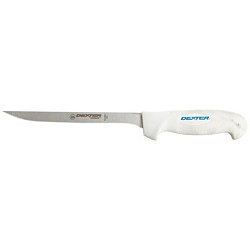
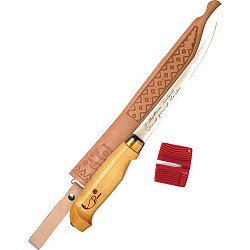
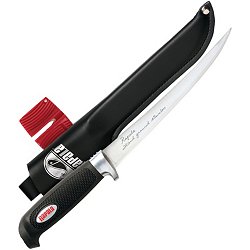
Ergonomic kitchen knives come in various styles designed to enhance comfort and efficiency for different cooking tasks. For instance, some knives feature a curved blade that allows for smooth slicing, while others may have a straight edge ideal for precision cutting. Additionally, there are specialized knives, such as those designed for filleting or shucking, which often have a flexible blade to navigate around bones or shells easily. The ergonomic handles are crafted to reduce strain during use, making them suitable for both professional chefs and home cooks.
To ensure the longevity and durability of ergonomic kitchen knives, it is important to maintain them properly. Regularly hand wash the knives with mild soap and avoid using abrasive materials that can damage the blade. Additionally, storing the knives in a designated knife block or sheath can help protect the edges from dulling and prevent accidents. Regularly honing the blade will also keep it sharp and extend its lifespan.
Continue browsing