â
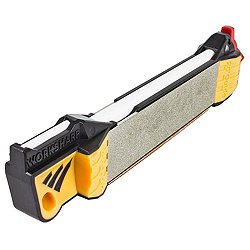
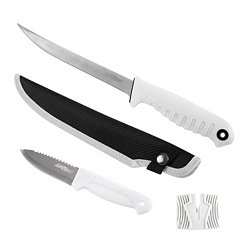
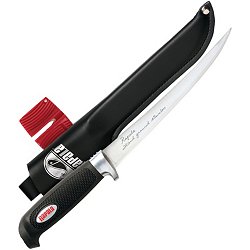
Achieve razor-sharp precision with our selection of manual knife sharpeners. Designed for both home cooks and outdoor enthusiasts, these sharpeners offer easy-to-use features that ensure your blades are always ready for action. With various sharpening angles and durable materials, you can maintain your knives' performance effortlessly. Whether you're preparing a meal or tackling a fishing trip, our manual knife sharpeners provide the reliability and efficiency you need. Keep your knives in top condition and enhance your culinary experience with our high-quality sharpening solutions.
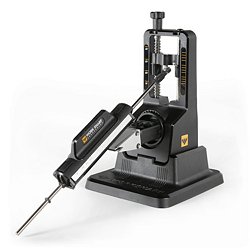
When selecting a manual knife sharpener, consider the sharpening mechanism, which can vary from simple slots to more complex guided systems. Look for features such as adjustable angles to accommodate different blade types and materials, as well as multiple sharpening stages for refining edges. Ergonomic design is also important for comfortable handling during use. Additionally, portability can be a key factor if you plan to use the sharpener in various locations.
Manual knife sharpeners typically require the user to apply physical effort to sharpen the blade, allowing for greater control over the sharpening process. They often use various materials, such as ceramic or diamond, to hone the edge of the knife. In contrast, electric sharpeners automate the sharpening process, which can be quicker but may not provide the same level of precision. Many users prefer manual sharpeners for their simplicity and the ability to customize the sharpening angle.
Manual knife sharpeners are versatile tools that can be used to sharpen a variety of knife types, including kitchen knives, pocket knives, and outdoor knives. They are designed to accommodate different blade shapes and sizes, making them suitable for both straight-edged and serrated knives. Many manual sharpeners feature multiple sharpening stages or angles, allowing users to achieve a fine edge on their blades. Whether for everyday cooking or outdoor activities, these sharpeners can help maintain the performance of your knives.
Manual knife sharpeners are versatile tools that can be used on many blade types and materials, including stainless steel and carbon steel. However, some sharpeners may be better suited for specific blade shapes, such as straight or serrated edges. It is important to consider the sharpener's design and the blade's characteristics to ensure optimal results. Always check the manufacturer's recommendations for compatibility with different blade types.
The typical lifespan of a manual knife sharpener can vary based on the materials used and the frequency of use. Many manual sharpeners are designed to last for several years with proper care and maintenance. Regular cleaning and avoiding excessive force during sharpening can help extend their lifespan. Ultimately, the durability will depend on the quality of the sharpener and how often it is utilized.
To determine the right angle for sharpening your knives with a manual sharpener, consider the type of knife you are using. Most kitchen knives are typically sharpened at an angle between 15 to 20 degrees, while outdoor or utility knives may require a steeper angle of around 20 to 25 degrees. It's important to maintain a consistent angle throughout the sharpening process to achieve a sharp edge. Many manual sharpeners come with guides or markings to help you maintain the correct angle while sharpening.
Yes, a manual knife sharpener can enhance the performance of your kitchen knives by restoring their edge and maintaining sharpness. These sharpeners typically use abrasive materials to grind and hone the blade, allowing for more precise cutting and better overall efficiency in food preparation. Regular use can help prolong the life of your knives, ensuring they remain effective tools in your kitchen.
Manual knife sharpeners offer several advantages, including greater control over the sharpening process, allowing users to adjust the angle and pressure applied to the blade. They are often portable and do not require electricity, making them convenient for outdoor use or in kitchens without power outlets. Additionally, many manual sharpeners are designed to be user-friendly, making them accessible for individuals with varying levels of experience in knife maintenance. This hands-on approach can also help users develop a better understanding of their knives and how to maintain them effectively.
Using a manual knife sharpener can be safe for beginners when proper techniques are followed. These sharpeners typically offer a straightforward design that allows users to maintain control while sharpening their knives. It is important for beginners to familiarize themselves with the sharpening process and to practice on less expensive knives before moving on to more valuable ones. Taking the time to learn the correct angle and pressure can help ensure a safe and effective sharpening experience.
To ensure the longevity of a manual knife sharpener, regular cleaning and proper storage are essential. After each use, wipe down the sharpening surfaces to remove any metal shavings or debris. Store the sharpener in a dry place to prevent moisture buildup, which can lead to rust or deterioration of materials. Additionally, periodically check for any wear on the sharpening surfaces and replace them as needed to maintain optimal performance.
Continue browsing



 (3)