â
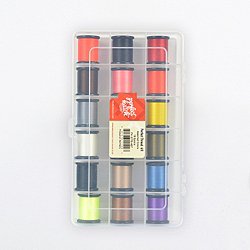
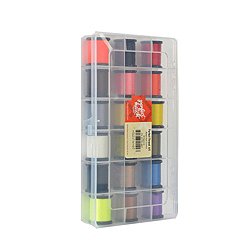
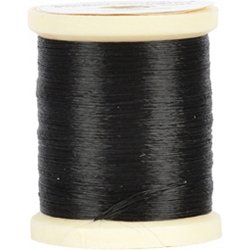
Explore our premium selection of fly fishing thread, designed for durability and performance. Ideal for tying flies, our threads come in various colors and strengths to suit every angler's needs. Crafted from high-quality materials, they ensure excellent knot strength and minimal breakage, allowing for precision in your fly creations. Whether you're a beginner or an experienced tier, our fly fishing thread offers the reliability and versatility you need to enhance your fishing experience. Elevate your fly tying game with threads that deliver both quality and consistency.
 (2)
(2) Fly fishing thread is primarily used for tying flies, which are artificial lures designed to attract fish. It serves as the foundation for building the fly, helping to secure materials like feathers, fur, and synthetic components. The strength and durability of the thread are crucial for ensuring that the fly holds together during casting and when a fish strikes.
Fly fishing threads can be made from various materials, including nylon, polyester, and other synthetic fibers. These materials are chosen for their strength, flexibility, and resistance to abrasion, which are essential for fly tying. Some threads may also have specific characteristics, such as being flat or round, which can affect the appearance and performance of the finished fly.
Choosing the right fly fishing thread depends on the type of flies you plan to tie and the size of the materials you will be using. Thicker threads are often better for larger flies and heavier materials, while finer threads are suitable for delicate patterns. Additionally, consider the thread's strength and color to match your fly design and ensure durability.
Flat and round fly fishing threads differ in their shape and how they lay on the hook. Flat threads tend to cover more surface area, making them ideal for securing larger materials and creating a bulkier appearance. Round threads, on the other hand, are more versatile and can be used for finer details, allowing for a smoother finish on smaller flies.
While fly fishing thread is specifically designed for tying flies, it can sometimes be used for other fishing applications, such as securing bait or making leaders. However, it's important to note that the characteristics of fly fishing thread may not be suitable for all types of fishing lines or techniques. Always consider the specific requirements of your fishing method when selecting thread.
The size of the thread plays a significant role in fly tying, influencing both the strength of the fly and its overall appearance. Thicker threads provide more durability and can handle larger materials, while thinner threads allow for more intricate detailing and a lighter finish. Choosing the right size helps ensure that the fly performs well in the water and attracts fish effectively.
Continue browsing