â
Enhance your fly tying projects with our premium selection of fly tying fur. Designed for versatility and realism, our fur options provide the perfect texture and movement to attract fish. Available in a variety of colors and lengths, these materials allow for endless creativity in your fly designs. Whether you're crafting streamers, nymphs, or dry flies, our fly tying fur ensures durability and lifelike appeal. Elevate your fly fishing experience with high-quality fur that meets the demands of both novice and experienced tiers alike.

$7.99
fly anglers can not go wrong with the perfect hatch® hare with ears natural. ... I think he likes wearing it, because it smells like rabbit, which he loves to chase in my
5
Delman
High protein, low carb snack that you can chew on for a month
4
somnamblst
This mask fits my Jack Russell terrier. I think he likes wearing it, because it smells like rabbit, which he loves to chase in my backyard.

$7.99
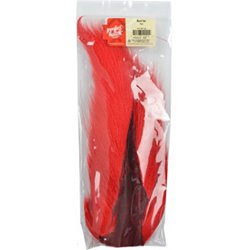
passionate fly anglers will go wild for perfect hatch® body hair. ... perfect for extended bodied flies including: hex, paraduns, adult dragons, hoppers, and adult stone flies made in the

$21.99
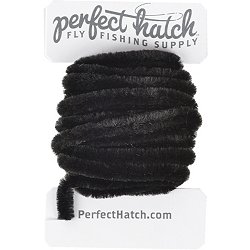
rabbit fur dubbing super soft long fibers easy to dub or blend assorted colors made in the usa ... the perfect hatch® rabbit dubbing assortment features a combination of soft long fibers that are easy to dub or
5
Bob45
[ The assorted colors and fine fibers of this dubbing pack allows for convenient storage, pack and go as well as a savings over buying individual packs
Fly tying fur comes in various types, each suited for specific fishing techniques. Common options include natural furs like rabbit and elk, which provide excellent movement and realism in the water. Synthetic furs are also available, offering durability and a wide range of colors. Understanding the type of fur that works best for your target species can enhance your fly's effectiveness.
The choice of fly tying fur significantly impacts the appearance and action of the fly. Natural furs often mimic the look and texture of aquatic insects, while synthetic options can provide vibrant colors and unique textures. The way fur is applied can also influence how the fly moves in the water, making it more attractive to fish. Selecting the right fur can enhance both the visual appeal and the effectiveness of your flies.
Natural fly tying fur typically offers a more lifelike appearance and movement in the water, making it a popular choice among anglers. However, synthetic furs can provide advantages such as increased durability, resistance to water absorption, and a broader color palette. The choice between natural and synthetic fur often depends on personal preference, fishing conditions, and the specific patterns being tied.
Yes, fly tying fur can be used for a variety of fly patterns, including dry flies, nymphs, and streamers. Different types of fur can impart unique characteristics to each fly, such as buoyancy or weight. Experimenting with various furs allows anglers to create custom patterns that can be tailored to specific fishing environments and target species.
When selecting fly tying fur, consider factors such as the type of fly you are tying, the water conditions, and the target fish species. Additionally, think about the fur's texture, color, and how it will behave in the water. Quality and source of the fur can also impact the final product, so it's essential to choose materials that meet your specific needs.
Continue browsing