â
Enhance your fly tying experience with our premium selection of dubbing for fly tying. Available in a variety of textures and colors, our dubbing options allow for endless creativity and customization in your fly patterns. Designed to provide excellent buoyancy and durability, these materials are perfect for both beginners and seasoned anglers. Whether you're crafting nymphs, dries, or streamers, our dubbing ensures your flies stand out in any water. Explore our collection to find the ideal dubbing that meets your fishing needs and elevates your tying skills.
 (1)
(1) Dubbing is a crucial material in fly tying, primarily used to create the body of a fly. It adds bulk and texture, mimicking the appearance of natural insects and other aquatic life. Different types of dubbing can provide various effects, such as translucence or shimmer, enhancing the overall realism of the fly.
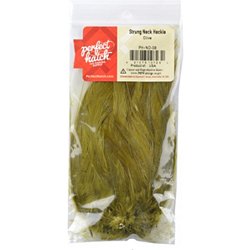
Dubbing can be made from a variety of materials, including natural fibers like rabbit fur, deer hair, and synthetic options. Each material offers unique characteristics, such as texture, color, and buoyancy, allowing fly tiers to choose based on the specific needs of their patterns. The choice of material can significantly impact the fly's appearance and performance in the water.
Choosing the right dubbing involves considering the type of fly you are tying and the specific aquatic insects you want to imitate. Factors such as color, texture, and buoyancy are essential in making your selection. Experimenting with different dubbing materials can also help you discover what works best for your fishing conditions and target species.
Yes, dubbing is versatile and can be used for various types of flies, including nymphs, dry flies, and streamers. The application and technique may vary depending on the fly type, but dubbing remains a fundamental component across many patterns. Understanding how to effectively use dubbing can enhance your fly tying skills and improve your fishing success.
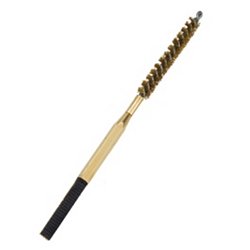
Dubbing twisters are tools that help create a tight and consistent dubbing loop, making it easier to apply dubbing to your fly. They enhance the efficiency of the tying process and allow for better control over the amount and distribution of dubbing. Using a dubbing twister can result in neater and more professional-looking flies.
Continue browsing