â
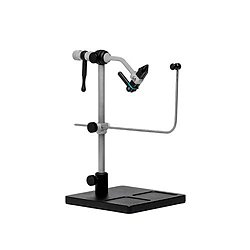
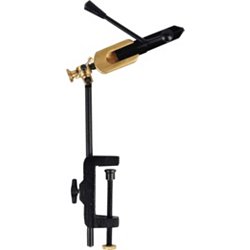
Discover the best fly tying vises designed for precision and ease of use. Our collection features versatile options that accommodate various hook sizes and styles, ensuring a secure grip for flawless fly creation. With adjustable settings and smooth rotary functions, these vises enhance your tying experience, making it more efficient and enjoyable. Crafted for durability and stability, they are perfect for both beginners and seasoned fly tyers. Elevate your fly tying skills with the right tools that deliver exceptional performance and reliability.

$19.99
WAS: $21.99*
Perfect for beginners and intermediate ... I 'm very please with this product and love the affordable prices from perfect hatch without losing
When selecting a fly tying vise, consider features such as adjustability, which allows for a secure grip on various hook sizes. Look for a rotary function that enables you to easily rotate the fly for better access during tying. Additionally, a sturdy base is important for stability, while materials like stainless steel can enhance durability. Ergonomic design can also improve comfort during extended tying sessions.
To determine the right size fly tying vise for your needs, consider the types of flies you plan to tie and the hook sizes you will be using. Most vises accommodate a range of hook sizes, but if you work with particularly small or large hooks, ensure the vise can handle those dimensions. Additionally, think about the space you have available for tying and whether you prefer a portable option or a more stable, larger setup. Finally, assess the features you need, such as rotary capabilities or adjustable jaws, to enhance your tying experience.
Fly tying vises are typically made from materials such as aluminum, stainless steel, and brass. Aluminum is lightweight and resistant to corrosion, making it a popular choice for portable vises. Stainless steel offers durability and strength, ensuring that the vise can securely hold hooks of various sizes. Brass components are often used for their stability and smooth operation, contributing to the overall performance and longevity of the vise.
Rotary fly tying vises allow the user to rotate the hook while tying, providing better access to all angles of the fly. This feature is particularly useful for creating intricate patterns and applying materials evenly. Non-rotary vises, on the other hand, hold the hook in a fixed position, which can be simpler for beginners or for tying less complex flies. The choice between the two often depends on the fly tyer's skill level and the types of flies they prefer to create.
The stability of a fly tying vise is crucial when working on intricate patterns, as it ensures that the materials remain securely in place during the tying process. A stable vise allows for precise manipulation and control, which is essential for achieving detailed work. If the vise shifts or wobbles, it can lead to mistakes and affect the overall quality of the fly. Therefore, choosing a vise with a solid base and reliable clamping mechanism can enhance your tying experience and results.
Beginners often benefit from simple, user-friendly vises that provide stability and ease of use, allowing them to focus on learning the basics of fly tying. These vises typically feature a straightforward design and adjustable components for various hook sizes. Experienced tiers may prefer more advanced vises that offer additional features such as rotary capabilities, precise adjustments, and enhanced durability, enabling them to create intricate patterns with greater efficiency. Ultimately, the choice depends on the tier's skill level and specific tying needs.
Yes, a fly tying vise can accommodate various hook sizes and styles, making it versatile for different fly patterns. Many vises feature adjustable jaws or interchangeable components that allow for a secure grip on hooks ranging from small to large. This adaptability is essential for fly tiers who work with a wide array of materials and techniques. When selecting a vise, consider its compatibility with the specific hook sizes you plan to use.
Using a fly tying vise with adjustable components offers several advantages for anglers. These vises allow for precise positioning of the hook, making it easier to work on intricate patterns and achieve the desired angle for tying. The ability to adjust the tension and rotation can enhance the tying experience, providing better control and flexibility. Additionally, adjustable vises can accommodate a variety of hook sizes, making them versatile tools for different fly tying projects.
The price of a fly tying vise often reflects its features and durability. Higher-priced models typically offer advanced features such as adjustable settings, enhanced stability, and superior materials, which can improve the tying experience. Additionally, more expensive vises are often built to withstand frequent use, providing greater longevity. However, there are many options available at various price points that can still meet the needs of both beginners and experienced fly tiers.
To ensure the longevity of a fly tying vise, regular maintenance is essential. This includes cleaning the vise after each use to remove any debris or materials that may have accumulated. Lubricating moving parts with a light oil can help maintain smooth operation and prevent rust. Additionally, periodically checking for any loose screws or components and tightening them as needed will help keep the vise in optimal working condition.
Continue browsing