â
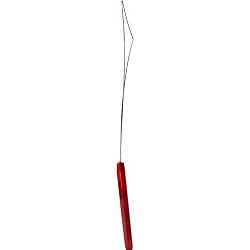
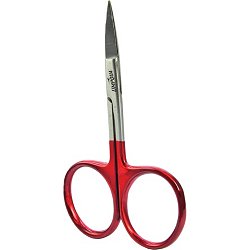
Explore our premium selection of Umpqua fly tying tools, designed to enhance your fly-tying experience. Each tool is crafted for precision and durability, ensuring you achieve the perfect fly every time. From versatile scissors to innovative threaders, our collection offers everything you need for efficient and effective tying. Lightweight and ergonomic designs provide comfort during extended use, making your creative process seamless. Elevate your fly-tying skills with tools that combine functionality and quality, perfect for both beginners and seasoned anglers alike.
Beginners in fly tying should consider a few essential tools to get started. A good pair of hackle pliers is important for handling feathers, while a threader can simplify the process of attaching thread to the hook. A hair stacker helps align materials for a more uniform appearance, and a whip finisher is useful for securing knots. These tools will provide a solid foundation for developing fly tying skills.
When choosing fly tying tools, consider the specific types of flies you plan to create and your level of experience. Look for tools that offer precision and ease of use, such as pliers for handling materials and threaders for simplifying the tying process. Additionally, think about the materials and styles of the tools, as some may be better suited for intricate work while others are designed for general use. It's also helpful to select tools that are durable and comfortable to handle, ensuring a more enjoyable tying experience.
When selecting quality fly tying tools, consider the material and construction for durability and ease of use. Look for ergonomic designs that provide a comfortable grip, as this can enhance precision during the tying process. Additionally, features like adjustable components or specialized tips can improve functionality and versatility, making it easier to create a variety of fly patterns. Finally, ensure that the tools are lightweight and portable, allowing for convenient use whether at home or on the go.
Yes, there are specific fly tying tools designed to accommodate various types of flies. For instance, tools may vary based on the size and complexity of the flies being tied, such as dry flies, wet flies, or streamers. Each tool serves a unique purpose, such as securing materials, creating precise wraps, or finishing knots, which can enhance the overall tying process. Selecting the right tools can help improve efficiency and the quality of the finished flies.
Fly tying tools are typically made from a variety of materials to ensure durability and functionality. Common materials include stainless steel for tools like scissors and pliers, which provide strength and resistance to corrosion. Additionally, some tools may incorporate plastic or rubber components for grips and handles, enhancing comfort and ease of use during the tying process. Other materials, such as aluminum, may also be used for lightweight and portable options.
To ensure the durability of your fly tying tools, it is important to clean them regularly after each use to remove any debris or materials that may cause wear. Store the tools in a dry, organized space to prevent damage from moisture or accidental impacts. Additionally, handle the tools with care during use, avoiding excessive force that could lead to breakage. Regularly inspect your tools for any signs of wear and replace them as needed to maintain their effectiveness.
Specialized tools for fly tying enhance precision and efficiency, making the process easier and more enjoyable. They are designed to handle specific tasks, such as securing materials or creating intricate patterns, which can improve the quality of the flies you create. Additionally, using the right tools can save time and reduce frustration, allowing for a more focused and productive tying experience. Overall, these tools can help both beginners and experienced tiers achieve better results in their fly tying projects.
Fly tying tools are designed specifically for creating flies used in fishing, but many of them can be adapted for other crafting or hobby projects. Tools like pliers, threaders, and stackers can be useful for various tasks that require precision and manipulation of small materials. If you enjoy crafting with threads, feathers, or other lightweight materials, you may find these tools helpful in your creative endeavors. However, it's important to consider the specific requirements of your project to ensure the tools will be effective.
To effectively organize and store fly tying tools, consider using a dedicated tackle box or storage container with compartments to keep tools separated and easily accessible. Labeling sections can help you quickly find specific items, such as pliers, threaders, or stackers. Additionally, using a magnetic strip or a wall-mounted organizer can save space and keep frequently used tools within reach. Regularly cleaning and decluttering your workspace will also enhance your efficiency during the fly tying process.
When selecting fly tying tools, seasonal considerations can play a role in your choices. Different seasons may influence the types of flies you need to tie, which in turn can affect the tools that are most useful. For example, spring and summer often call for lighter, more delicate patterns, while fall and winter may require sturdier tools for larger, more robust flies. Additionally, the availability of certain materials and the specific fishing conditions can also impact your tool selection throughout the year.
Continue browsing